One-Pot Creamy Cheese Pasta: The Complete Guide to a Never-Split Sauce

One-pot creamy cheese pasta is one of the most reliable weeknight dinners there is - one pan, twenty minutes, and the pasta itself does most of the work of thickening the sauce. The one thing that regularly goes wrong is the cheese sauce turning grainy or split instead of silky, and that comes down to two or three very fixable habits.
Why Cooking Everything in One Pot Works
- Less washing up - only one pan to clean, since the pasta, sauce and flavourings all cook together.
- More flavour in the pasta itself - rather than being cooked in plain water and drained, the pasta absorbs the stock and cheese sauce directly as it cooks, seasoning it from the inside rather than just coating the outside.
- The starch does the thickening - pasta releases starch into the cooking liquid as it cooks, which is exactly what gives the sauce its body. This is the same principle behind saving pasta water for a normal stovetop sauce, just built into the method from the start instead of added back in afterwards.
Why Cheese Sauces Split or Turn Grainy (And How to Stop It)
A split or grainy cheese sauce almost always comes down to how the cheese was added, not the recipe itself.
- Cheese added too quickly, or over too high heat: the fat and proteins in the cheese separate when they're forced to melt too fast. Add cheese gradually, off the highest heat, stirring constantly until each addition is fully melted before adding more.
- Pre-grated cheese: most bagged pre-grated cheese is coated in an anti-caking agent that resists melting smoothly. Grating a block yourself melts noticeably more evenly.
- Sauce boiled hard after the cheese goes in: once cheese is in the sauce, keep it at a gentle simmer rather than a rolling boil - boiling breaks the emulsion the same way it does in any cream or cheese-based sauce.
Ingredients
Serves 4.
Pasta and base
- 300g short pasta (penne, rigatoni, or fusilli)
- 750ml vegetable or chicken stock
- 1 tbsp olive oil or butter
Cheese and dairy
- 150g mature cheddar, grated
- 50g Parmesan, grated
- 150ml double cream or crème fraîche
Flavourings
- 2 garlic cloves, minced
- 1 small onion, finely diced
- Salt and pepper, to taste
- Fresh parsley, chopped, to garnish
Optional add-ons
- A pinch of nutmeg, for depth
- Wilted spinach, for freshness
- Chilli flakes, for heat
Equipment
- Large saucepan or deep frying pan
- Wooden spoon
Method
1. Sauté the aromatics
Heat the olive oil or butter in a large saucepan or deep frying pan over medium heat. Add the onion and garlic and cook for 3-4 minutes until softened and fragrant.
2. Add the pasta and stock
Pour in the pasta and stock. Bring to a boil, then reduce to a simmer, stirring occasionally to stop the pasta sticking to the base of the pan.
3. Stir in the cream
When the pasta is almost cooked, after about 8-10 minutes, stir in the double cream or crème fraîche and let it bubble gently so the sauce begins to thicken.
4. Melt in the cheese
Add the cheddar and Parmesan gradually, a handful at a time, stirring constantly until each addition is fully melted before adding the next - this is the step that determines whether the sauce turns out silky or grainy.
5. Season and serve
Taste and adjust the seasoning, then serve hot, garnished with chopped parsley and a little extra Parmesan.
Variations
- Healthier swap: use wholewheat pasta, or add cooked chickpeas for extra protein.
- More flavour: stir through roasted garlic or a spoonful of harissa paste for a smoky kick.
- Vegetarian boost: mix in sautéed mushrooms, broccoli, or roasted peppers.
- Baked version: transfer to an ovenproof dish, top with breadcrumbs and extra cheese, and bake until golden for more texture contrast.
Make Ahead and Storing
This keeps in an airtight container in the fridge for up to 3 days - reheat gently with a splash of stock or milk to loosen the sauce back up. It's not a great freezer candidate, since cream-based sauces can split slightly when frozen and thawed; if you do freeze it, stir it well while reheating to bring it back together.
What to Serve With It
Garlic bread or a flatbread and a fresh green salad round this out well, alongside a crisp white wine like Sauvignon Blanc if you're serving it for something a little more than a Tuesday dinner.
Frequently Asked Questions
Can I make it without cream?
Yes - use milk thickened with a roux of butter and flour instead, for a creamy texture without the cream.
Which cheese works best?
Mature cheddar and Parmesan are the classic combination here, but Gruyère or mozzarella both work well if you want a milder flavour.
Can I make it ahead?
Yes - store in an airtight container in the fridge for up to 3 days and reheat gently with a splash of stock or milk.
Can I make it spicy?
Yes - add chilli flakes, a spicier cheese, or a swirl of harissa to taste.
Get the cheese-melting step right - low heat, added gradually, off a hard boil - and this becomes one of the most dependable dinners in the rotation, ready in the time it takes the pasta itself to cook.
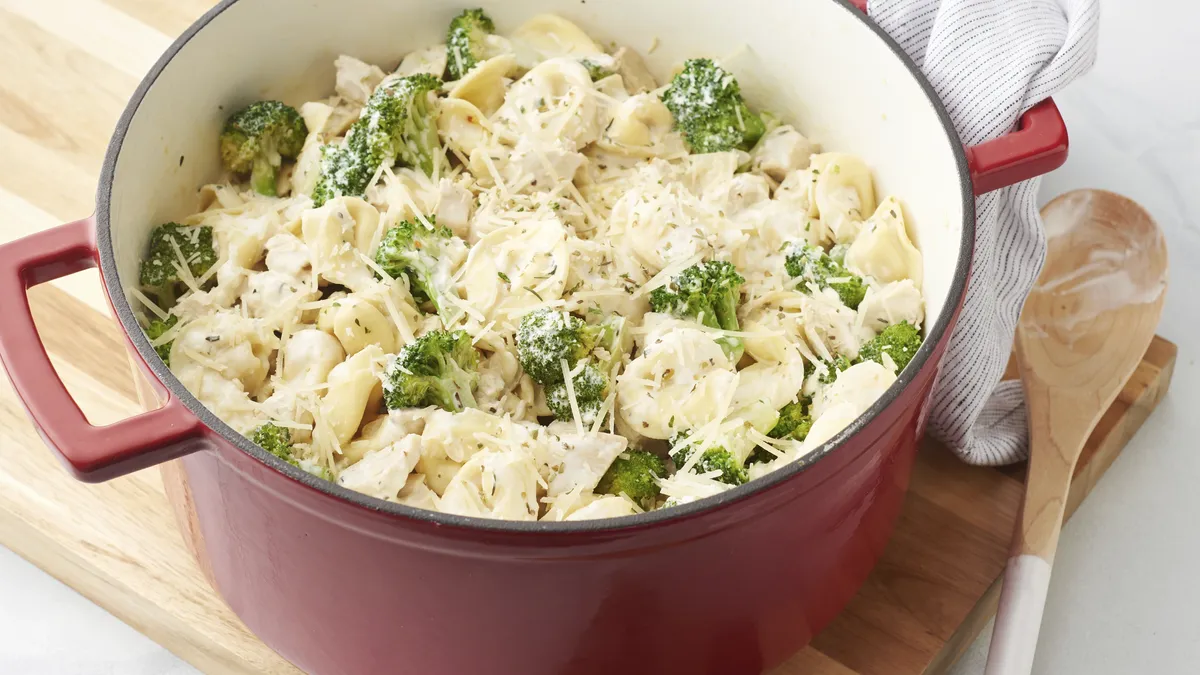
One-Pot Creamy Cheese Pasta
Ingredients
Method
- Heat the olive oil or butter in a large saucepan over medium heat. Add the onion and garlic and cook for 3-4 minutes until softened and fragrant.
- Pour in the pasta and stock. Bring to a boil, then reduce to a simmer, stirring occasionally to stop the pasta sticking.
- When the pasta is almost cooked, after about 8-10 minutes, stir in the double cream or crème fraîche and let it bubble gently so the sauce begins to thicken.
- Add the cheddar and Parmesan gradually, a handful at a time, stirring constantly until each addition is fully melted before adding the next.
- Taste and adjust the seasoning, then serve hot, garnished with chopped parsley and a little extra Parmesan.
Leave a Reply