Kashmiri Chilli Powder: The Complete Guide to Britain's Favourite Vibrant Spice
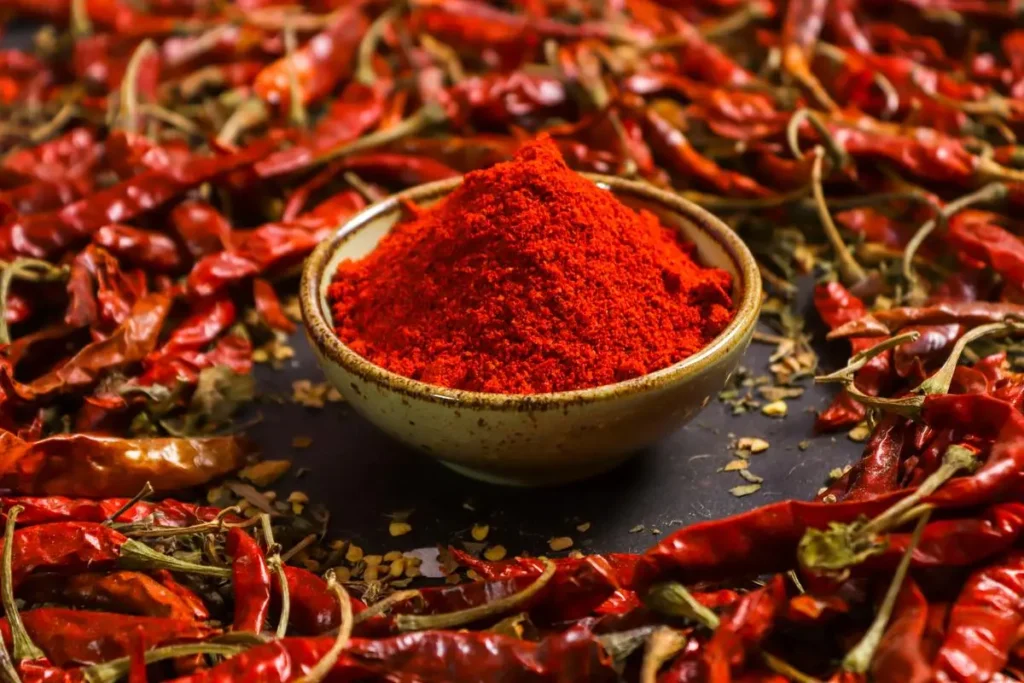
If you've ever wondered why your homemade curry lacks that gorgeous deep red colour you see in your favourite Indian restaurant, the answer likely lies in one ingredient: Kashmiri chilli powder. This distinctive spice has become a staple in British kitchens, yet many home cooks remain uncertain about what makes it special, how it differs from regular chilli powder, and what to use when they can't find it on supermarket shelves.
What Makes Kashmiri Chilli Powder So Special?
Kashmiri chilli powder stands apart from other chilli varieties due to its unique combination of characteristics that make it invaluable in both traditional Indian cooking and modern British fusion cuisine.
The spice originates from the Kashmir region of India, where the cool climate and specific growing conditions produce chillies with remarkably mild heat levels—typically ranging between 1,000 to 2,000 Scoville Heat Units. To put this in perspective, standard cayenne pepper measures around 30,000 to 50,000 SHU, making Kashmiri chillies significantly gentler on the palate.
What truly distinguishes Kashmiri chilli powder is its vibrant, deep burgundy colour. This intense pigmentation comes from high levels of natural carotenoids, which give dishes that characteristic rich red hue without overwhelming heat. The colour is so potent that even a small amount can transform the visual appeal of curries, tandoori marinades, and spice blends.
Beyond colour and mild heat, Kashmiri chilli powder offers a subtly sweet, almost smoky flavour profile with fruity undertones. This complexity allows the spice to enhance dishes without dominating other flavours—a quality that professional chefs and home cooks alike treasure when building layered, balanced curry bases.
Is Kashmiri Chilli Powder the Same as Regular Chilli Powder?
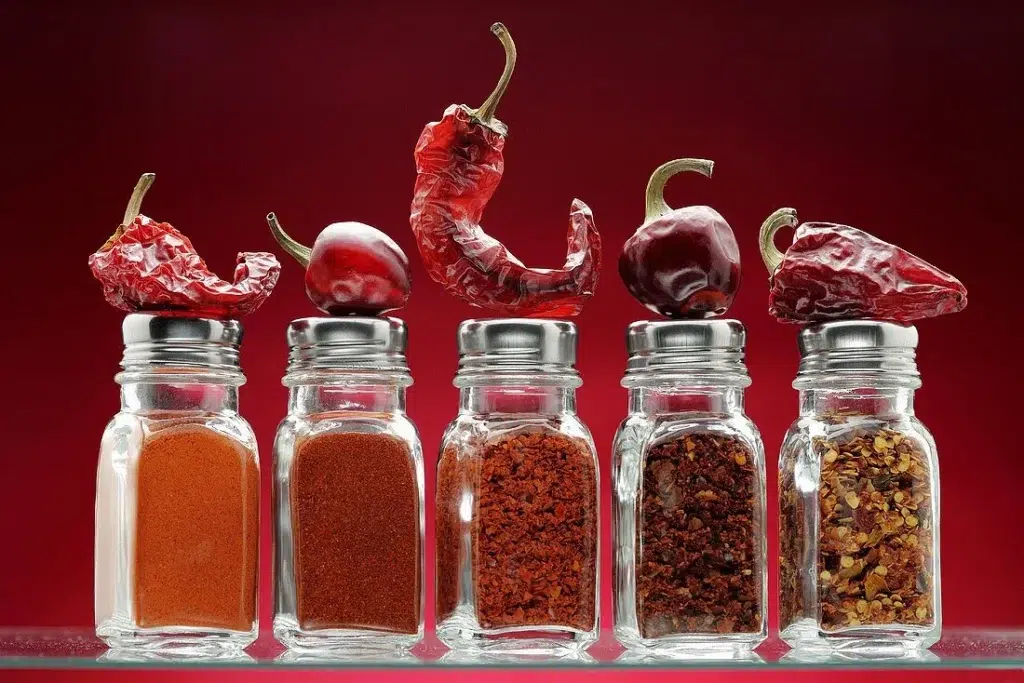
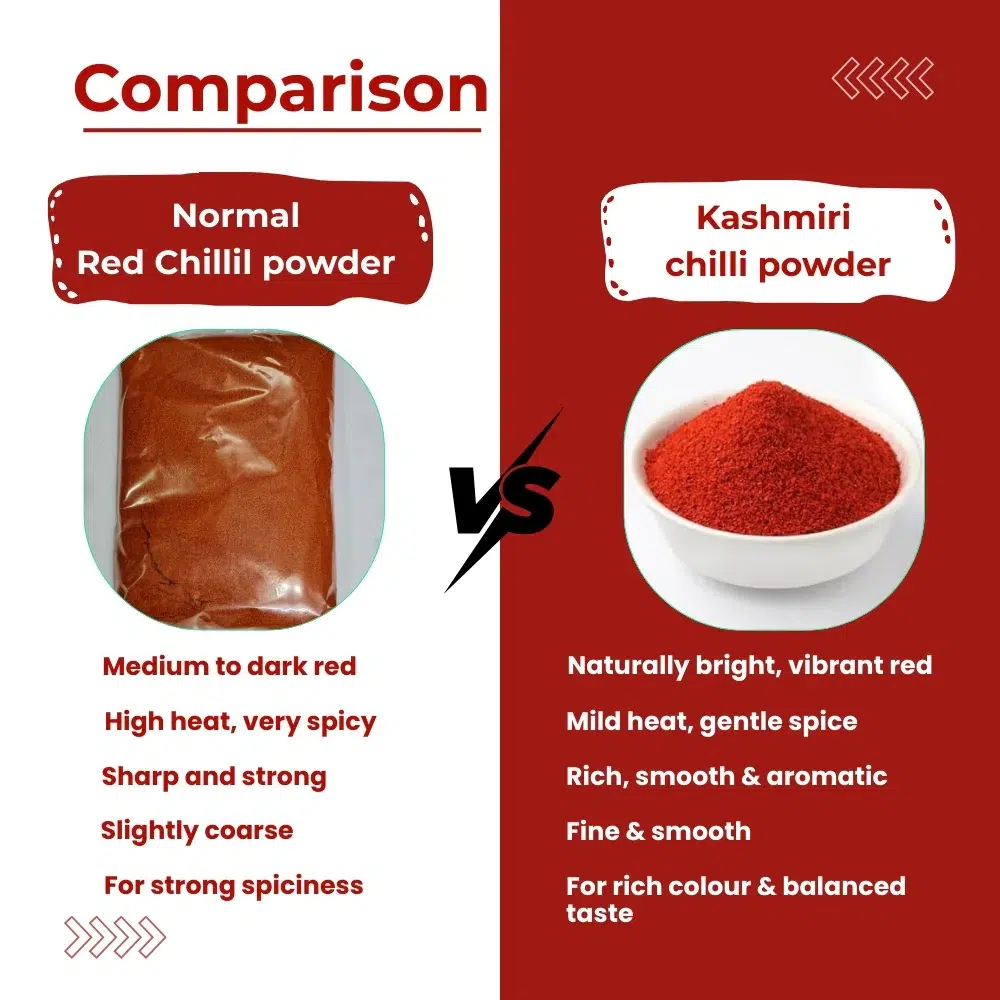
This is one of the most common questions among British home cooks, and the answer is a definitive no. The differences between Kashmiri chilli powder and standard chilli powder are substantial and affect both cooking results and final dish presentation.
Heat Level Differences
Regular chilli powder sold in UK supermarkets typically contains cayenne pepper or other hotter chilli varieties, delivering considerably more heat. If you substitute standard chilli powder for Kashmiri in equal quantities, you'll end up with a dish that's significantly spicier than intended—potentially ruining the delicate balance of flavours in recipes specifically designed for Kashmiri chilli.
Colour Variation
Standard chilli powder tends toward orange or lighter red shades, whilst Kashmiri chilli powder produces that deep, rich burgundy colour synonymous with restaurant-quality Indian cuisine. This visual difference is immediately noticeable and contributes significantly to a dish's appetite appeal.
Flavour Complexity
Generic chilli powders focus primarily on heat delivery, whereas Kashmiri chilli powder brings nuanced sweetness and depth. This makes Kashmiri varieties ideal for dishes where you want colour and subtle warmth without aggressive spiciness—perfect for British palates that may prefer milder options.
Is Kashmiri Chilli Powder Just Paprika?
Another frequent misconception compares Kashmiri chilli powder to paprika, and whilst they share some similarities, they're distinctly different spices with different culinary applications.
Both spices offer mild heat and rich colour, which explains the confusion. However, paprika—whether sweet, smoked, or hot—comes from different pepper varieties altogether, typically Capsicum annuum peppers grown primarily in Hungary, Spain, and other European regions.
The flavour profiles diverge significantly. Paprika tends toward earthier, sometimes sweeter notes, particularly in its Hungarian sweet variety, or smoky characteristics in Spanish pimentón. Kashmiri chilli powder, meanwhile, delivers that characteristic fruity sweetness with subtle warmth that's essential to authentic Indian cuisine.
Texture-wise, both are ground to similar consistencies, but Kashmiri chilli powder is typically ground from sun-dried whole chillies, whilst paprika production may involve different drying and grinding processes that affect the final product's moisture content and shelf stability.
For British cooks attempting authentic Indian recipes, the distinction matters. Using paprika instead of Kashmiri chilli powder will change the dish's flavour foundation, even if the colour appears similar.
What Can You Substitute for Kashmiri Chilli Powder?
When Kashmiri chilli powder isn't available in your local Tesco, Sainsbury's, or Asian grocery, several substitutes can approximate its unique properties, though none replicate it perfectly.
Best Option: Paprika and Cayenne Blend
Combine 1 tablespoon of sweet paprika with 1/4 teaspoon of cayenne pepper. This mixture approximates both the colour and mild heat of Kashmiri chilli powder. Adjust the cayenne quantity based on your heat preference—reducing it for milder results or increasing slightly if you enjoy more warmth.
Second Choice: Sweet Paprika Alone
If you're primarily concerned with colour and prefer minimal heat, sweet paprika works reasonably well. You'll lose some of the characteristic fruity notes, but the visual result will be acceptable, particularly in dishes with robust spice blends that mask subtle differences.
Alternative Options: Other Mild Chilli Varieties
Deggi mirch, another Indian chilli powder variety, offers similar properties and works as a near-perfect substitute. Korean gochugaru (red pepper flakes) can also work when ground to powder consistency, though it brings slightly different flavour notes.
Emergency Substitution: Tomato Paste Enhancement
In desperate circumstances, adding a small amount of tomato paste alongside reduced quantities of standard chilli powder can provide colour depth, though this alters the dish's flavour profile more substantially and should only be considered when other options are unavailable.
How to Use Kashmiri Chilli Powder in British Cooking
Understanding proper usage ensures you maximise this spice's potential in your cooking repertoire.
For traditional Indian dishes like tikka masala, vindaloo, or rogan josh, recipes typically call for 1-3 teaspoons per serving batch. The mild heat allows generous use for colour without overwhelming spiciness.
Beyond Indian cuisine, British fusion cooking increasingly incorporates Kashmiri chilli powder. Try adding it to roast chicken rubs, incorporating it into Bolognese sauce for subtle warmth and colour, or using it in homemade burger seasonings.
Storage matters significantly. Keep Kashmiri chilli powder in an airtight container away from direct sunlight and heat. Properly stored, it maintains optimal colour and flavour for approximately six months, though it remains safe to use beyond this period with gradually diminishing potency.
Frequently Asked Questions
Is Kashmiri chilli powder the same as chilli powder?
No, Kashmiri chilli powder differs significantly from standard chilli powder. It offers much milder heat (1,000-2,000 SHU versus 30,000-50,000 SHU), deeper burgundy colouring, and a sweeter, more complex flavour profile with fruity undertones that regular chilli powder lacks.
What is so special about Kashmiri chilli powder?
Kashmiri chilli powder's special qualities include its vibrant deep red colour from high carotenoid content, remarkably mild heat level that adds warmth without overwhelming spiciness, and distinctive sweet, slightly smoky flavour that enhances dishes without dominating other ingredients—making it essential for authentic Indian cuisine.
Is Kashmiri chili powder just paprika?
No, whilst both offer mild heat and rich colour, they're different spices from different pepper varieties. Paprika comes from European-grown Capsicum annuum peppers with earthy or smoky profiles, whilst Kashmiri chilli powder delivers fruity sweetness essential to Indian cooking, making them non-interchangeable despite visual similarities.
What is a substitute for Kashmiri chili powder?
The best substitute combines 1 tablespoon sweet paprika with 1/4 teaspoon cayenne pepper to approximate both colour and heat. Alternatively, use sweet paprika alone for colour with minimal heat, deggi mirch as a near-perfect alternative, or ground Korean gochugaru for similar mild warmth.
Conclusion
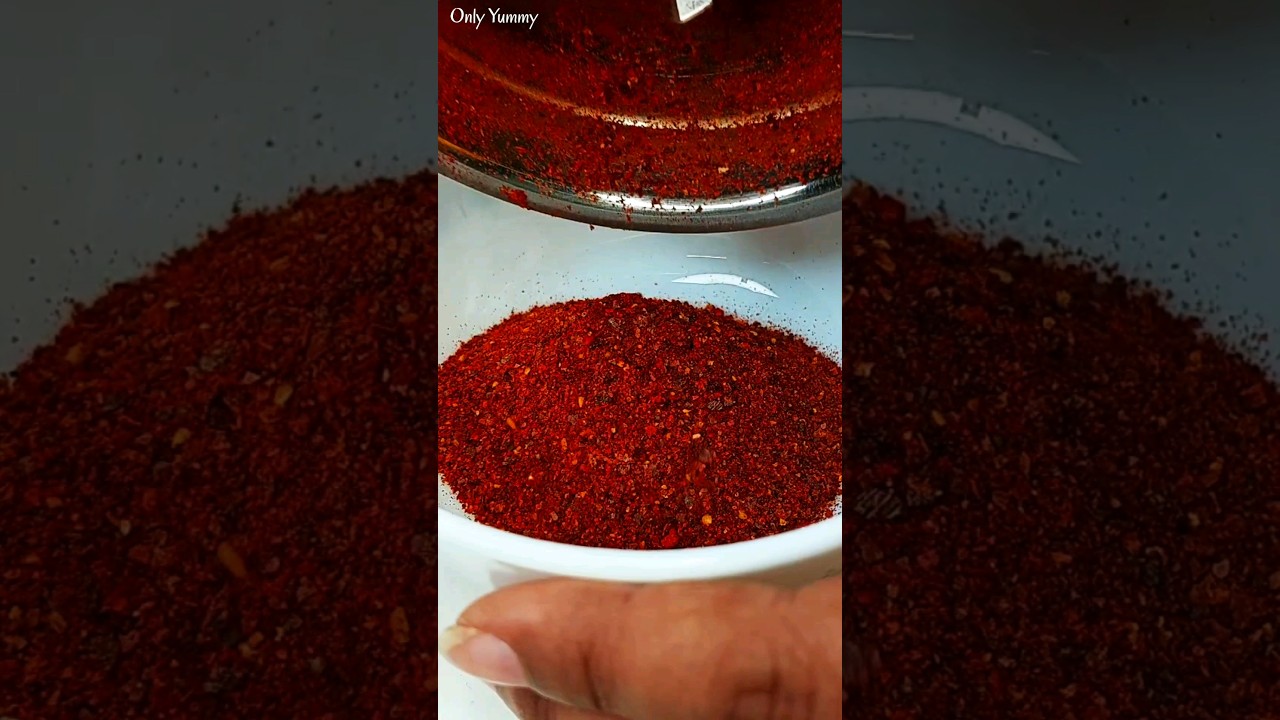
Kashmiri chilli powder deserves its prominent place in British kitchens, offering home cooks the ability to recreate restaurant-quality Indian dishes with proper colour, balanced heat, and authentic flavour. Understanding its unique properties, knowing how it differs from regular chilli powder and paprika, and having reliable substitutes at hand ensures your curry nights consistently deliver impressive results.
Leave a Reply