What Is Pink Gin? The Complete Guide to Britain's Favourite Blush Spirit
- The Real History of Pink Gin — It Started at Sea
- The Modern Pink Gin: A Completely Different Animal
- How Pink Gin Is Made: The Three Main Methods
- Pink Gin vs Regular Gin: What Actually Changes?
-
How to Serve Pink Gin: The Classic Serves
- The Classic Pink Gin (Victorian Style)
- Pink Gin and Tonic
- Pink Gin Spritz
- Pink Gin Bramble
- What is pink gin?
- Is pink gin sweeter than regular gin?
- What is the best mixer for pink gin?
- Why is pink gin pink?
- What is the difference between pink gin and sloe gin?
- What food goes well with pink gin?
- Can you make cocktails with pink gin?
Few drinks have divided opinion quite like pink gin. Its detractors dismiss it as a marketing exercise — sweet, Instagram-friendly, and about as serious as a novelty umbrella. Its admirers, who are legion, regard it as the drink that finally made gin accessible to a whole new generation of drinkers. Both camps, as it happens, are partially right. But what almost everyone gets wrong is the history — because pink gin is not a 21st-century invention at all. It predates Instagram by about 170 years, and its origins are considerably more austere than a garnish of freeze-dried strawberries might suggest.
This is the complete guide: where pink gin really came from, how the modern version is made, what separates a genuinely good bottle from a sugary shortcut, the best pink gins available in the UK right now, and how to serve them properly.
The Real History of Pink Gin — It Started at Sea
The original pink gin was born not in a craft distillery or a marketing boardroom, but on the ships of the British Royal Navy in the early to mid-19th century. Back in the 1820s, sailors suffered from seasickness during long ocean voyages. To combat this, they turned to Angostura bitters — a medicinal tonic developed in 1824 by Dr. Johann Gottlieb Benjamin Siegert in Venezuela. The bitters were effective but intensely unpleasant to drink on their own. The solution? Mix them with Plymouth gin — a slightly sweeter, softer style than London Dry — which made the concoction far more palatable and, as a pleasant side effect, turned it a delicate shade of pink.
This pared-back cocktail — just gin and bitters, served with a twist of lemon — was christened "pink gin," and it quickly became a fashionable order in gentleman's clubs and bars on dry land by the 1870s. Bartenders would ask customers whether they wanted it "in" or "out" — referring to whether the bitters were swirled around the glass and left in, or poured out leaving a residue before the gin was added. It was the Navy's answer to the Martini: simple, bracing, and rather suave.
For much of the 20th century, pink gin stuck close to its roots — served neat or with a splash of water, usually by those who preferred their drinks strong and stirred. By the late 1900s, however, its popularity waned as tastes shifted towards lighter, sweeter, and more citrusy cocktails. Then, in the 2010s, everything changed — but in a direction that the Royal Navy officers who invented it almost certainly would not have recognised.
The Modern Pink Gin: A Completely Different Animal
Today's pink gin and the original Victorian cocktail share a name and a colour. Beyond that, they are fundamentally different drinks. Today's pink gin is far removed from the spirit-forward cocktail of a good measure of high-proof gin poured into a glass swirled with Angostura bitters and finished with expressed lemon peel. The modern flavoured gin is often infused with fruits such as strawberries, raspberries, or redcurrants, which give the spirit a sweeter profile.
The catalyst for the modern pink gin boom was twofold. First, the Spanish gin-tonic culture of the early 2010s — huge copa glasses, artisan tonics, creative garnishes — spread rapidly across Europe and reset consumer expectations of what gin could look and taste like. Second, the rise of Instagram and the "millennial pink" aesthetic created an enormous appetite for visually striking drinks that photographed beautifully. Pink gin, with its delightful colour, diverse flavours, and versatility, perfectly captured this spirit.
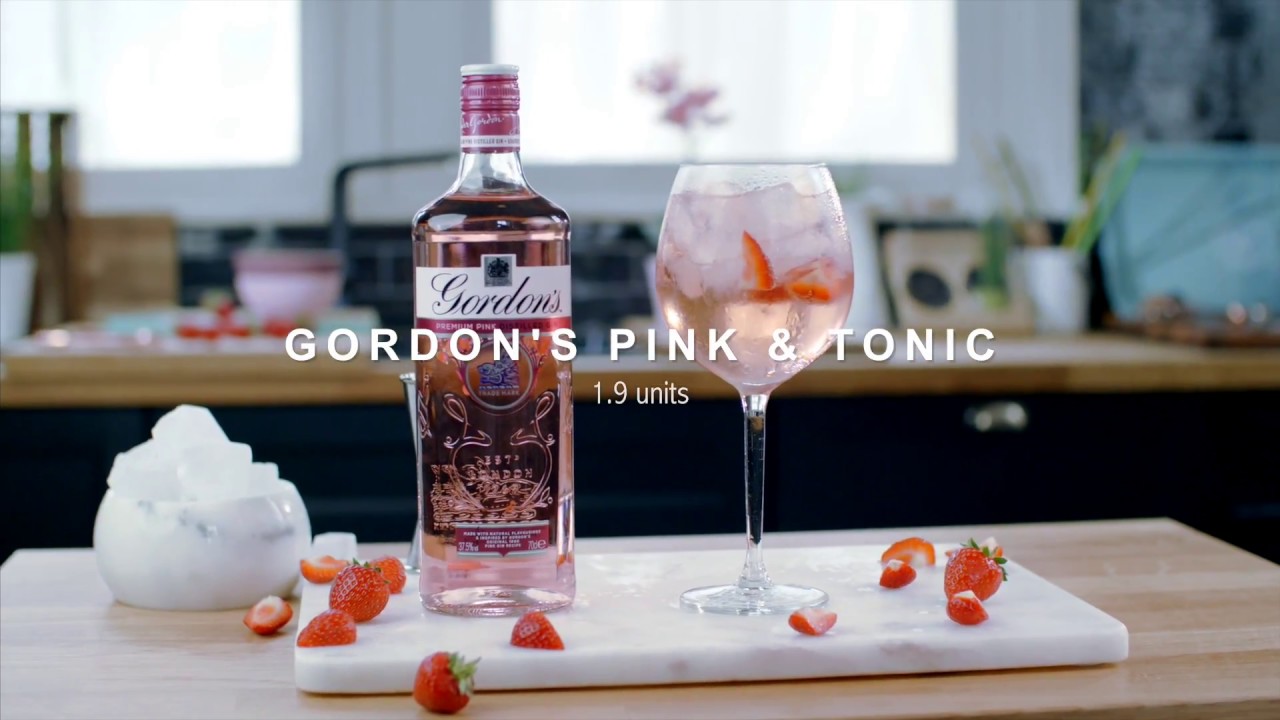
Gordon's launched their Premium Pink in 2017, inspired by an original 1880s recipe and built around raspberry, strawberry, and redcurrant. Beefeater Pink followed in 2018 with a strawberry-led expression. Suddenly, every distillery in Britain had a pink gin in development — and a category that had been dormant for decades exploded into one of the UK's fastest-growing spirits segments.
The honest caveat: Not all pink gins are created equal. As Angus Lugsdin of Salcombe Distilling Co puts it: "The trouble with them is that most of them are hideous — artificially coloured and flavoured and loaded with sugar, and actually really don't bear any resemblance to a gin." The category has genuine stars and genuine disappointments. Knowing how to tell them apart is what the rest of this guide is about.
How Pink Gin Is Made: The Three Main Methods
Understanding how a pink gin gets its colour and flavour is the single most useful tool for evaluating a bottle before you buy it.
1. Maceration or Infusion of Real Fruit
The most respected method: real fruit — typically raspberries, strawberries, rose petals, pink grapefruit, or rhubarb — is either macerated in the base spirit before distillation, or steeped in the finished gin post-distillation. This produces a genuinely complex flavour profile where the fruit is integrated into the gin's botanical structure rather than sitting on top of it. The colour is natural, the flavour has depth, and the sweetness is balanced. Pinkster Gin — which began as a one-man experiment using fresh raspberries in Cambridge in 2013 — is one of the earliest and most cited examples of this approach done well.
2. Vapour Infusion
In this method, the botanicals — including whatever fruit or floral element will provide the pink colour — are suspended above the spirit during distillation so that the vapour passes through them and carries their essence into the final liquid. This produces a lighter, more delicate expression of the fruit character than direct maceration. Salcombe Rosé Sainte Marie, infused with strawberries, hand-peeled citrus, orange blossom, and angelica, uses this approach to achieve a dry, sophisticated result that gin purists tend to respect.
3. Post-Distillation Flavouring and Colouring
The most commercially widespread — and most controversial — method. Flavouring compounds, natural fruit extracts, and sometimes artificial colourings and sweeteners are added to a standard base gin after distillation. This produces a consistent, shelf-stable product at lower cost, but the results are often one-dimensional: sweet, lacking depth, and tasting more of candy than of fruit or botanicals. This is the method that gives the entire category its mixed reputation. The tell-tale signs: very bright, uniform pink colour; pronounced sweetness with little botanical complexity; and a flavour that seems to fade immediately after the initial hit.
How to read a label: Look for phrases like "infused with real fruit," "macerated botanicals," or "vapour distilled." If the label emphasises colour, packaging design, or brand heritage without mentioning the production method, treat it with healthy scepticism. ABV is also a useful indicator — genuine craft pink gins tend to sit at 40–43% ABV, while heavily sweetened, post-distillation products often hover at 37.5%.
Pink Gin vs Regular Gin: What Actually Changes?
| Characteristic | Classic London Dry Gin | Quality Pink Gin | Mass-Market Pink Gin |
|---|---|---|---|
| Colour source | Clear — no added colour | Natural fruit / botanicals | Added colouring / extracts |
| Flavour profile | Juniper-forward, dry, herbal | Fruity + botanical, balanced | Sweet, one-dimensional |
| Sweetness level | Bone dry | Lightly off-dry | Noticeably sweet |
| Best serve | Martini, G&T with classic tonic | G&T with floral tonic, spritz | Lemonade, prosecco, soda |
| Typical ABV | 40–47% | 40–43% | 37.5–40% |
| Complexity over ice | Evolves and opens up | Opens up well | Tends to flatten quickly |
The key distinction is not simply between "pink gin" and "regular gin" — it is between pink gins that are made with genuine craft and those that are made with commercial shortcuts. A well-made pink gin sacrifices none of gin's essential character; it adds a new dimension to it. If the juniper and aromatics have been completely buried under sweetness and artificial fruit flavour, what you have in your glass is not really a gin at all — it is a flavoured spirit that borrows gin's branding.
How to Serve Pink Gin: The Classic Serves
The Classic Pink Gin (Victorian Style)
For those who want to honour the original: pour 50ml of Plymouth gin into a chilled glass that has been swirled with three or four dashes of Angostura bitters and then emptied (the "out" method) or left coated (the "in" method). Add a long strip of lemon peel, expressed over the glass to release the oils. No ice. No tonic. It is a bracingly different experience from the modern style — austere, aromatic, and deeply satisfying if you approach it with the right expectations.
Pink Gin and Tonic
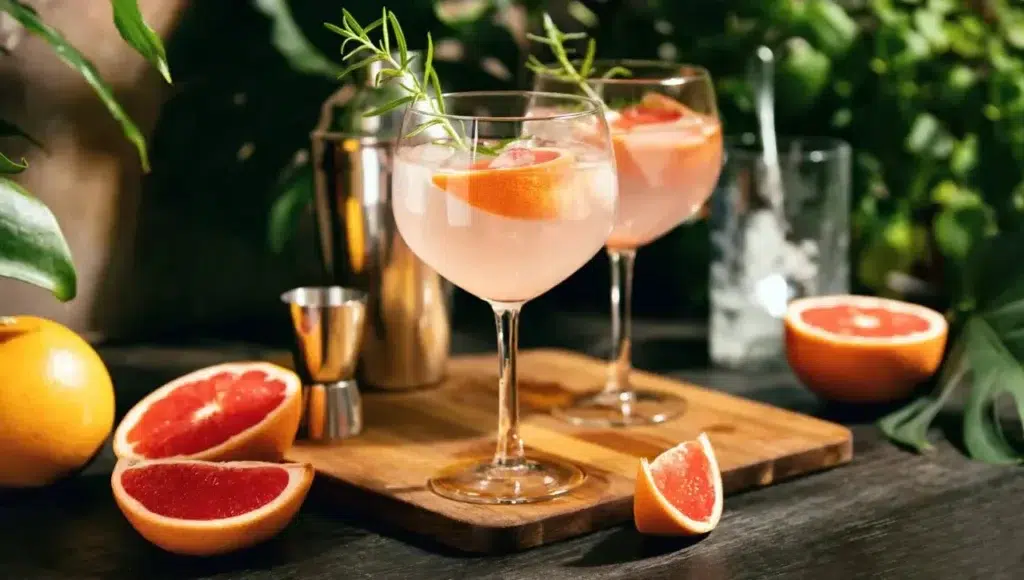
The modern standard. Fill a large copa glass with ice, pour 50ml of your chosen pink gin, and top with a premium floral or aromatic tonic — Fever-Tree Aromatic Tonic works particularly well, as its bitter botanicals provide counterpoint to the sweetness of fruit-forward gins. Garnish according to the gin's character: fresh raspberries or a lemon wheel for berry-led gins; a slice of pink grapefruit for citrus expressions; a sprig of fresh rosemary for floral or rhubarb-based styles.
Pink Gin Spritz
Perhaps the most crowd-pleasing serve for a celebration: combine 25ml pink gin with 25ml elderflower cordial, top with chilled prosecco, and add a splash of soda water for length. Serve in a wine glass with plenty of ice and a garnish of sliced strawberries. It is light, effervescent, and genuinely delicious — the kind of drink that disappears at alarming speed. For more on the wines and sparkling spirits that work as bases for this style of serve, our guide to the world's finest sparkling wines is worth reading alongside this one.
Pink Gin Bramble
A natural evolution of one of Britain's great modern cocktails — shake 50ml pink gin with 25ml fresh lemon juice and 12.5ml sugar syrup over ice, strain into a rocks glass packed with crushed ice, and drizzle crème de mûre (blackberry liqueur) over the top so it bleeds through the drink.
The combination of pink gin's berry sweetness with the tartness of the lemon and the depth of the blackberry liqueur is outstanding. For the full classic version and technique, see our bramble cocktail recipe — one of the most satisfying cocktails you can make at home. You might also enjoy exploring our guide to pairing bramble cocktails with food, which maps directly onto the flavour logic of pink gin as a dining companion.
For a broader tour of Britain's most beloved cocktail recipes and classic serves, our classic cocktails guide covers everything from the negroni to the vodka martini, with context on technique and history for each.
What is pink gin?
Pink gin today refers to a category of flavoured gin coloured and flavoured with red or pink fruits — most commonly raspberries, strawberries, rose petals, or rhubarb. Historically, "pink gin" referred to a cocktail of Plymouth gin and Angostura bitters served neat, which dates to the British Royal Navy in the 1820s. The two are very different drinks sharing the same name.
Is pink gin sweeter than regular gin?
Most modern pink gins are sweeter than classic London Dry gin, though the degree varies significantly by brand. Quality craft pink gins made by macerating or vapour-distilling real fruit tend to be only lightly off-dry, with genuine botanical complexity. Mass-market pink gins produced with added flavourings and sweeteners are noticeably sweeter and more one-dimensional.
What is the best mixer for pink gin?
For quality craft pink gins, a premium floral or aromatic tonic water — such as Fever-Tree Aromatic, Fentimans Rose Lemonade, or a Mediterranean-style tonic — works best, as its botanical character complements rather than overwhelms the gin. For sweeter, mass-market pink gins, chilled lemonade, prosecco, or soda water often gives a more balanced result than tonic.
Why is pink gin pink?
In quality craft pink gins, the colour comes from the natural pigments in fruit botanicals — raspberries, strawberries, rose petals, or rhubarb — that are macerated or infused in the spirit. In cheaper commercial products, the pink colour often comes from added natural or artificial colourings blended in after distillation. The original Victorian pink gin got its colour from Angostura bitters, which contain no added colouring — it is simply what gin and bitters look like when combined.
What is the difference between pink gin and sloe gin?
They are distinct products. Sloe gin is technically a liqueur — made by macerating sloe berries in gin and adding sugar, resulting in a sweeter, lower-ABV product (typically 25–30% ABV) with a deep ruby-red colour and a plum-like flavour. Pink gin is a full-strength spirit (37.5–43% ABV) flavoured and coloured with lighter fruits. The two are sometimes confused because both are pink-to-red and fruit-forward.
What food goes well with pink gin?
Pink gin pairs naturally with light, fresh flavours that harmonise with its fruit and floral character. Seafood — particularly prawns, smoked salmon, and light fish dishes — works beautifully, as does soft fresh goat's cheese, strawberry-based desserts, and delicate canapés with cream cheese and cucumber. The acidity and berry notes in most pink gins make them a surprisingly versatile companion at the table.
Can you make cocktails with pink gin?
Absolutely — pink gin is one of the most versatile gin styles for home cocktail making. It works particularly well in a pink gin bramble, a pink spritz with prosecco, a fruity gin sour, a pink French 75, and a simplified negroni variant. The key is matching the cocktail's other ingredients to the specific flavour profile of your gin — berry-led gins suit darker fruit pairings, while citrus and floral pink gins work better with lighter, more delicate combinations.
Leave a Reply