Lardy Cake: The Complete Guide to England's Most Indulgent Traditional Bake
- What Is Lardy Cake?
- The History of Lardy Cake: From Harvest Fields to Artisan Bakeries
- What Makes Lardy Cake Different from Other British Bakes?
- The Role of Lard: Why It Matters
- How to Make Lardy Cake: A Traditional Recipe
- Tips for Getting It Right Every Time
- Regional Variations Worth Knowing
- Storing and Freezing Lardy Cake
- Serving Suggestions
- Why Lardy Cake Deserves a Place in Every Baker's Repertoire
-
Frequently Asked Questions About Lardy Cake
- What exactly is lardy cake?
- Where does lardy cake come from?
- Why is it called lardy cake if it isn't really a cake?
- Can I make lardy cake without lard?
- How do I stop my lardy cake from sticking to the tin?
- What is the difference between lardy cake and dripping cake?
- How long does lardy cake keep, and can it be frozen?
- Is lardy cake the same as lardy bread or lardy Johns?
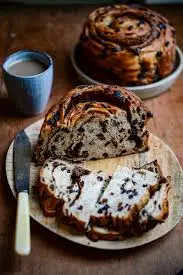
Few bakes in the British repertoire are as gloriously unapologetic as lardy cake. Rich with rendered lard, sticky with caramelised sugar, and studded with plump currants and warm spice, this centuries-old tea bread from the rural south of England is the kind of thing that stops you mid-bite. It demands your full attention — and rewards it.
Yet for all its magnificence, lardy cake remains stubbornly undersung. Step outside Wiltshire, Hampshire or Gloucestershire and you'll find blank stares where there should be reverence. This guide is here to change that. Whether you're a first-time baker hunting for a weekend project or a seasoned home cook looking to reclaim a forgotten classic, here is everything you need to know about lardy cake: its history, its technique, its regional rivalries, and a proper recipe that does it full justice.
What Is Lardy Cake?
Lardy cake — also known as lardy bread, lardy Johns, dough cake, or fourses cake depending on where you're standing — is a traditional English enriched bread made by layering rendered lard, sugar, dried fruit and mixed spice into a simple yeasted dough, then folding and rolling it repeatedly to create a lusciously laminated interior. The result lands somewhere between a bread and a pastry: chewy and pillowy at the centre, with a deeply caramelised, almost toffee-like crust that solidifies into something extraordinary as it cools.
It is, to be absolutely clear, not a cake in any conventional sense. There are no eggs beaten with butter and sugar, no sponge structure, no icing. Lardy cake is closer in spirit to a rich brioche or a Danish pastry — but made with pig fat rather than butter, giving it a flavour that is distinctly, defiantly English.
The main ingredients are few: strong white flour, active dried yeast, water, salt, rendered lard, caster or demerara sugar, dried currants and raisins, and mixed spice. But the magic is entirely in the method.
The History of Lardy Cake: From Harvest Fields to Artisan Bakeries
To understand lardy cake properly, you need to picture an English harvest in the nineteenth century. The days were long and brutal, the work physical, and the workers — field hands in the counties of southern England — needed sustenance that could keep pace with them.
Enter "fourses": the mid-afternoon snack break, taken at around four o'clock, the countryside equivalent of elevenses. At fourses, a lardy cake was the reward. Calorie-dense, portable, made from leftover bread dough enriched with whatever fat and sweetness the baker could fold in, it was the original energy bar — only considerably better.
The word "fourses" gives the bake one of its alternative names: fourses cake. In Sussex it became lardy Johns. In Wiltshire, simply lardy cake. Across Oxfordshire, Berkshire, Dorset, Hampshire and Gloucestershire, each county developed its own variation, its own slightly different proportions, its own secret twist — and then promptly claimed to have invented it.
Jane Grigson, the doyen of English food writing, attributed the original to Wiltshire in her landmark work English Food. Food historian Dorothy Hartley described lardy cakes from Oxfordshire "cropping up on the borders of the chalk line that runs across England from Wiltshire through Oxfordshire to Cambridge." The counties of the pig-farming south, rich in lard and proud of it, all have a legitimate claim.
What is not in dispute is the method. Traditionally, lardy cake was made on bread-baking day, using leftover dough that would otherwise go to waste. The enrichment — lard dotted over the surface, folded in like rough puff pastry, layered with sugar and fruit and spice — transformed humble bread dough into something celebratory. Lardy cakes were made for harvest festivals, church socials, family gatherings. They were a special-occasion bake dressed up in working clothes.
By the twentieth century, lardy cake had become a fixture in the bakeries of southern England, baked as giant slabs and sold by the portion. The corner pieces, where the melted lard and sugar had pooled and caramelised against the tin, were the most coveted — two edges' worth of sticky, chewy caramel in a single square.
Then came the supermarkets, the dietary fat scares of the 1980s, and the decline of the traditional high street bakery. Lardy cake disappeared from most people's lives, dismissed as old-fashioned and dangerously indulgent.
Today, it is having a quiet but meaningful revival. Artisan bakers across the south of England are returning to it; food writers are championing it; and a new generation is discovering that lard — cheaper, more stable, and, in fact, lower in saturated fat than butter — produces a bake that no other fat can replicate. The sticky, golden, gloriously messy lardy cake is back.
What Makes Lardy Cake Different from Other British Bakes?
Lardy cake occupies a specific and irreplaceable niche in the British baking canon. It is worth understanding what distinguishes it from its neighbours.
Lardy Cake vs. Tea Loaf
A tea loaf is a sweet, fruit-studded quick bread or lightly yeasted loaf — moist from fruit soaked in tea, but without the layered fat structure. It is gentler, less rich, and considerably easier to make. Lardy cake is its indulgent, labour-intensive cousin.
Lardy Cake vs. Chelsea Bun
The Chelsea bun also uses an enriched dough rolled with fat, sugar and fruit — but it's coiled into individual buns, glazed sweetly, and much lighter in character. Lardy cake is baked as a single slab, which creates a fundamentally different texture: caramelised base, fluffy interior, crackling top.
Lardy Cake vs. Danish Pastry
Danish pastry lamination uses butter folded into a yeasted dough through many precise folds, creating crisp, flaky layers. Lardy cake is rougher and more rustic — the lard is spread, sprinkled, folded in three or four times — producing a softer, stickier, altogether earthier result. Less precision bakery, more farmhouse kitchen.
Lardy Cake vs. Dripping Cake
The closest relative is the dripping cake, which replaces lard with beef dripping — the leftover fat from a Sunday roast. Both are rooted in the same spirit of rural thrift and unapologetic richness.
The Role of Lard: Why It Matters
The word "lard" still triggers a degree of alarm in modern kitchens — a hangover from decades of dietary advice that is increasingly being revised. The reality is more nuanced.
Rendered pork lard — not the hydrogenated white blocks sold in some supermarkets, but proper rendered leaf lard from a good butcher — is a remarkably clean, subtly flavoured fat. It has a higher smoke point than butter, a lower saturated fat content gram for gram, and a particular ability to create layers in baked goods that butter simply cannot match.
In lardy cake, lard does several things simultaneously. It enriches the dough, keeping the crumb soft and moist. It creates micro-layers between the folds, giving textural contrast. And — crucially — it melts during baking, pooling at the base of the tin with the sugar to form that toffee-like caramelised crust that defines a proper lardy cake. No other fat does this in quite the same way.
If you can source leaf lard from a butcher, use it. If not, the lard sold in the supermarket dairy aisle (usually next to butter) is entirely adequate. What you should not use is vegetable shortening: the flavour is wrong and the caramelisation will not be the same.
How to Make Lardy Cake: A Traditional Recipe
This is a recipe that rewards patience. There are two proves — one for the base dough, one after shaping — and the folding process takes a little practice. But none of it is technically difficult, and the result is spectacular.
Ingredients
For the dough:
- 450g strong white bread flour, plus extra for dusting
- 7g fast-action dried yeast (1 sachet)
- 1 tsp fine salt
- 25g rendered lard, at room temperature
- 280ml warm water
For the filling:
- 150g rendered lard, softened
- 180g currants and raisins (or a mix of sultanas, currants and candied peel)
- 150g demerara sugar (or caster sugar)
- 2 tsp mixed spice
- Zest of 1 orange (optional, but highly recommended)
For the tin and glaze:
- A little extra lard for greasing the tin
- 2 tbsp demerara sugar for the tin base
- 2 tbsp golden syrup or icing sugar glaze, to finish
Step-by-Step Method
Step 1 — Make the dough
Combine the flour, yeast and salt in a large bowl, keeping the yeast and salt on opposite sides initially (salt can slow yeast activation). Rub in the 25g of lard with your fingertips until the mixture resembles fine breadcrumbs. Make a well in the centre, pour in the warm water gradually, and bring together into a soft, slightly sticky dough. Tip onto a lightly floured surface and knead for 8–10 minutes until smooth and elastic, or use a stand mixer with a dough hook for 5–6 minutes. Place in a lightly oiled bowl, cover with cling film, and leave in a warm place to rise for 1–2 hours, until doubled in size.
Step 2 — Prepare the filling
While the dough proves, mix the dried fruit with the mixed spice and orange zest in a small bowl and set aside. Keep the softened lard and sugar separate, ready to layer.
Step 3 — Shape and fill (the folding stage)
Grease your tin generously with lard and sprinkle the base evenly with 2 tablespoons of demerara sugar. Tip the proved dough onto a lightly floured surface and press out the air. Roll it into a rectangle approximately 40cm x 20cm, with one of the short ends facing you. Spread half the softened lard over the top two-thirds of the rectangle, leaving the bottom third bare. Scatter half the fruit mixture and half the sugar evenly over the lard.
Fold the bottom third of the dough upwards, then fold the top third down over it, like a business letter. Turn the dough 90 degrees. Roll out again to a similar rectangle and repeat: spread the remaining lard, fruit and sugar over two-thirds of the surface, fold in three, and turn. You now have a neatly layered block of dough. Handle it gently — you want to preserve those layers, not squeeze them out.
Step 4 — Second prove
Lower the dough into the prepared tin and press it gently to fill the corners. Cover loosely with oiled cling film or a clean damp tea towel and leave to prove for 30–45 minutes, until visibly puffed. Preheat the oven to 200°C (180°C fan) / Gas 6.
Step 5 — Bake
Score the top of the dough lightly in a diamond or cross-hatch pattern with a sharp knife — this is traditional and helps the heat penetrate. Place in the preheated oven and bake for 25–30 minutes until deep golden brown on top. The surface should be cracked and fragrant. If it's browning too quickly, cover loosely with foil for the last ten minutes.
Step 6 — The crucial inversion
This is the step that defines a great lardy cake. As soon as it comes out of the oven, place a wire rack or large board over the tin and — working quickly and carefully — invert so the cake falls out upside down. The base, which has been sitting in a pool of melted lard and caramelised sugar throughout the bake, is now your glorious, toffee-crusted top. Brush it immediately with warmed golden syrup for shine, or drizzle over a thin water-and-icing-sugar glaze. Leave to cool for at least 20 minutes before cutting — the caramel needs time to set.
Step 7 — Serve
Lardy cake is best eaten warm, cut into generous squares or oblongs. A corner piece, with two caramelised edges, is the prize. Serve with a pot of strong tea and no apologies whatsoever.
Tips for Getting It Right Every Time
Use the right flour
Strong white bread flour gives the dough the gluten structure it needs to hold those layers. Plain flour produces a denser, tougher result.
Don't skip the second prove
It's tempting to rush, but the second prove after shaping allows the dough to relax and expand, producing a lighter, more open crumb. Thirty minutes is the minimum.
Grease the tin generously
The caramelised base needs fat in the tin to form properly, and a well-greased tin is the difference between a cleanly inverted cake and one that sticks. Use lard, not butter — it takes the heat better.
Don't overwork the filling folds
Fold the dough firmly but without rolling too aggressively after each fold. Over-rolling squeezes out the filling and merges the layers. The texture comes from distinct pockets of fat and fruit between the dough layers.
Invert while hot
If you leave the cake to cool in the tin, the caramelised sugar will solidify and glue itself to the base. Turn it out within two to three minutes of leaving the oven.

Regional Variations Worth Knowing
One of the pleasures of lardy cake is how much it varies across the counties that claim it. Once you've mastered the basic recipe, these regional twists are worth exploring.
Wiltshire-style
The Wiltshire version tends to be the most restrained — plain currants, caster sugar, mixed spice, minimal adornment. The emphasis is on the caramelised base and the quality of the lard.
Oxfordshire-style
Oxfordshire lardy cakes often include candied peel, giving a brighter citrus note. Some recipes add a little lemon zest to the dough itself.
Hampshire-style
Hampshire bakers sometimes add a small amount of butter alongside the lard in the filling, producing a slightly richer, more buttery result — a nod, perhaps, to the Chelsea bun tradition.
Paul Hollywood's version
The Great British Bake Off judge's recipe adds home-candied orange peel and uses tea-soaked fruit, lending the filling a more complex, almost marmalade-like depth. If you have the time, it is outstanding.
Storing and Freezing Lardy Cake
Lardy cake is unquestionably best on the day it is made — warm from the oven, caramel still slightly tacky, crumb at its most pillowy. That said, it keeps reasonably well in an airtight container or cake tin for up to two days. Warm individual slices briefly in a low oven (150°C, 5 minutes) to revive them.
For longer storage, lardy cake freezes well. Once completely cold, wrap tightly in foil and freeze for up to three months. Defrost at room temperature and warm gently before serving.
Serving Suggestions
Traditionally, lardy cake is served at afternoon tea — the British four o'clock ritual it was essentially designed for. A strong pot of Assam or a good everyday builder's tea cuts through the richness perfectly.
For a more indulgent treat, serve slightly warm with a small amount of good clotted cream — the contrast of the cold cream against the warm, spiced dough is extraordinary. Some bakers in Wiltshire traditionally serve it with a cold bottle of local ale, exactly as the harvest workers would have had it.
If you're building a broader spread, lardy cake sits beautifully alongside other traditional British bakes. Consider pairing it with a classic Victoria sponge, a generous slice of tea loaf, or a tray of sticky treats for an afternoon that leans fully into the best of British baking.
If bread-making is a regular habit, lardy cake also makes an excellent use for dough left over from a larger batch — the original purpose of the bake, and still a satisfying one. Our guide to bread maker recipes has plenty of starting-point doughs that adapt well.
Why Lardy Cake Deserves a Place in Every Baker's Repertoire
There is a tendency in food culture to treat the word "indulgent" as a mild embarrassment — something to qualify, to hedge, to follow with a health caveat. Lardy cake refuses that entirely. It is what it is: rich, sticky, deeply satisfying, rooted in centuries of English rural life, and unapologetically delicious.
It is also, once you understand the method, a deeply instructive bake. The dough-making teaches you about gluten development and enriched yeasted doughs. The folding teaches you about lamination and layering fat into dough — a skill that transfers to croissants, rough puff pastry, and dozens of other bakes. The inversion teaches you about caramelisation and how to work with hot sugar.
And it connects you — in a very direct way — to a tradition of British baking that predates supermarkets, dietary trends, and the homogenisation of the high street. This is what the bakers of Wiltshire and Hampshire made for generations. It deserves to be on your table.
For more on where to find an authentic slice made by the handful of traditional bakers still keeping this art alive, see our guide to the best lardy cake bakeries in England. And if you want to explore modern adaptations — from butter versions to bread maker shortcuts — our follow-up on modern lardy cake recipes covers the full range.
Frequently Asked Questions About Lardy Cake
What exactly is lardy cake?
Lardy cake is a traditional English enriched bread made from yeasted dough layered with rendered lard, sugar, dried fruit (usually currants and raisins) and mixed spice, then folded and baked in a tin to create a caramelised, sticky crust. It is closely associated with the southern counties of England, particularly Wiltshire.
Where does lardy cake come from?
Lardy cake originated in the rural south of England, with Wiltshire most commonly cited as its home county, though Sussex, Hampshire, Oxfordshire, Berkshire, Dorset and Gloucestershire all have strong regional traditions. It was historically made from leftover bread dough on baking day, enriched with lard and sold in large slabs at local bakeries.
Why is it called lardy cake if it isn't really a cake?
The name reflects the primary enriching fat (lard) and the occasion it was made for — a sweet, celebratory bake for harvest time and special days. In the British tradition, "cake" has historically referred to enriched breads as well as true cakes; lardy cake sits firmly in the enriched bread category, closer to a tea bread or pastry than a sponge.
Can I make lardy cake without lard?
Technically yes — butter produces a similar enriched dough, and some modern recipes use it. But the result is different. Lard creates a more pronounced caramelisation at the base, a slightly different (earthier, less dairy) flavour, and a texture that butter cannot fully replicate. For an authentic lardy cake, lard is the correct choice. For a more accessible modern version, cold unsalted butter works as a substitute.
How do I stop my lardy cake from sticking to the tin?
Grease the tin very generously with lard (not butter) and dust the base with a tablespoon or two of demerara sugar before adding the dough. This creates a layer between the caramelised sugar and the tin. Most importantly, invert the cake immediately when it comes out of the oven, while the caramel is still liquid. If you wait even five minutes, it will begin to set and stick.
What is the difference between lardy cake and dripping cake?
Dripping cake is the closest relative of lardy cake, using beef dripping — the fat rendered from a Sunday roast — in place of pork lard. Both are traditional English enriched tea breads born from the same spirit of rural thrift; both create a caramelised, rich result. The flavour is different: lard gives a neutral, slightly porky richness, while dripping gives a more savoury, distinctly beefy undertone.
How long does lardy cake keep, and can it be frozen?
Lardy cake is best eaten fresh and warm on the day it is baked. It will keep in an airtight container for up to two days, and individual slices can be revived in a low oven for five minutes. For longer storage, wrap cooled lardy cake tightly in foil and freeze for up to three months. Defrost at room temperature and warm before serving.
Is lardy cake the same as lardy bread or lardy Johns?
Yes — these are regional names for essentially the same bake. "Lardy bread" is used across much of the south of England; "lardy Johns" is the Sussex name; "fourses cake" refers to its historical role as the four o'clock field workers' snack; "dough cake" is another common variant name. The recipe and technique are the same across all these names, though proportions and additions vary by county.
Leave a Reply