
🥔 10 Mistakes to Avoid When Cooking Potato Scones: Expert Tips for Beginners

Table
-
🥔 Mistakes to Avoid When Cooking Potato Scones: Expert Tips for Beginners
- 🔪 1. Using the Wrong Type of Potato
- 💧 2. Not Draining Potatoes Properly
- ⚖️ 3. Getting the Potato-to-Flour Ratio Wrong
- 🍞 4. Overworking the Dough
- 🔥 5. Cooking at the Wrong Temperature
- 🧂 6. Forgetting to Season the Mash
- ⏰ 7. Rolling the Dough Too Thin or Too Thick
- 🧈 8. Skipping the Resting Period
- 🍳 9. Using Too Much Oil or Butter in the Pan
- 👎 10. Using Leftover Mash Without Adjustments
- 🧠 Summary Table: What Went Wrong and How to Fix It
- 🧲 Expert Tip: Make-Ahead and Freeze
- ❓ FAQs
🥔 Mistakes to Avoid When Cooking Potato Scones: Expert Tips for Beginners
Potato scones, or tattie scones as they’re known in Scotland, are a humble yet cherished breakfast classic. Made with simple ingredients—mashed potato, flour, butter and seasoning—they rely entirely on technique for success. That’s why even experienced home cooks often wonder: Why are my potato scones dry? Why is my dough so sticky?
If you’ve tried making them but ended up with something closer to a rubber mat than a tender scone, don’t worry. You’re not alone.
In this guide, we’ll walk through 10 common potato scone recipe mistakes, break down why they happen, and share practical fixes to help you master this beloved British breakfast staple.
🔪 1. Using the Wrong Type of Potato
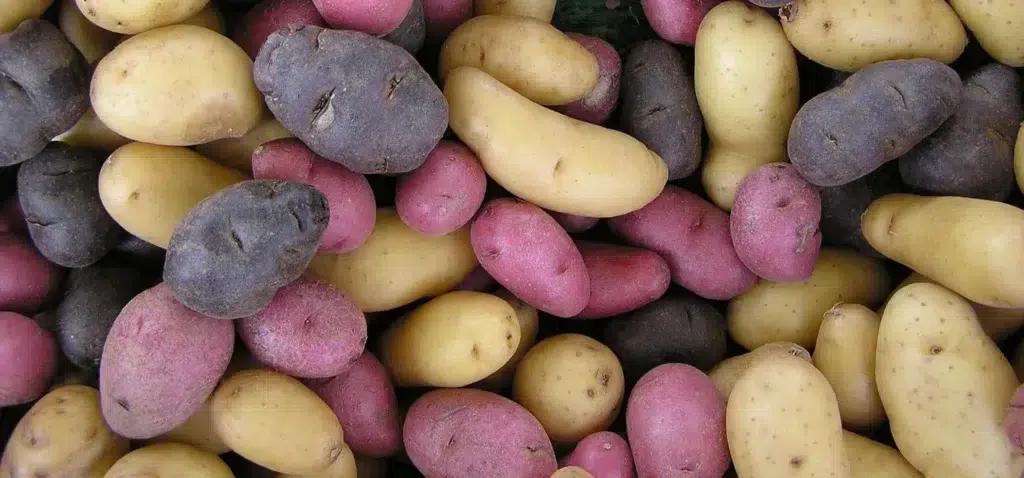
Potatoes aren't all the same. Waxy varieties like Charlotte or Jersey Royals may be great for salads, but they’re too moist and low in starch for potato scones. When mashed, they become gummy and clingy.
Result: Sticky, heavy dough that won’t hold its shape.
Fix: Stick to floury varieties like Maris Piper, King Edward or Russet. These are drier, mash easily and bind well with flour.
💧 2. Not Draining Potatoes Properly
Even if you use the right potato, retained water after boiling can ruin everything. Moisture affects the flour-to-potato balance and makes the dough mushy.
Fix: After boiling, drain thoroughly and return the potatoes to the hot pan for 30–60 seconds to evaporate excess moisture. This quick “dry steam” method is used by chefs to prepare the fluffiest mash.
⚖️ 3. Getting the Potato-to-Flour Ratio Wrong
Unlike many baking recipes, potato scones don’t require yeast or raising agents. That means the structure depends on a delicate balance of starch and flour.
Mistake: Guessing quantities.
Fix: Use scales. The golden ratio is 2:1 (potato to flour by weight). For instance:
- 200g mashed potato
- 100g plain flour
Too much flour = dry and crumbly.
Too little = sticky, hard to shape.
🍞 4. Overworking the Dough
Potato scones aren’t bread. Gluten development is the enemy here. If you knead the dough like pizza, it’ll turn out tough and chewy.
Fix: Once the flour is mixed in, stop handling it. Gently form it into a ball and pat it flat—no kneading required.
🔥 5. Cooking at the Wrong Temperature
This is one of the most common errors. If the heat is too high, the outside chars before the inside is done. Too low, and the scones turn rubbery with no golden crust.
Fix: Heat a non-stick pan or griddle over medium heat. Test by flicking a bit of water—if it sizzles and evaporates, it’s ready. You want a steady, even cook—around 3–4 minutes per side.
🧂 6. Forgetting to Season the Mash
Potato is a blank canvas—it needs help to shine. If you forget to season it before mixing, the result will be bland.
Fix: Add a small knob of butter, a pinch of sea salt and a twist of black pepper to the mashed potato itself, not the flour. This way, flavour is built into the base.
Optional: Add nutmeg or chives for flair.
⏰ 7. Rolling the Dough Too Thin or Too Thick
Thickness affects texture dramatically.
Too thin = cracker-like, brittle scones.
Too thick = undercooked centres, raw taste.
Fix: Roll to 1 cm thickness—enough for a soft centre and crispy edges. Use a rolling pin or just your hands. Cut into triangles or circles as desired.
🧈 8. Skipping the Resting Period
Letting dough rest isn’t just for pizza. A short rest allows the flour to fully hydrate and the gluten to relax—even if you didn’t knead much.
Fix: Cover dough with a clean towel and let it sit for 10–15 minutes before shaping and cooking.
Bonus: The rest also firms up the dough slightly, making it easier to handle.
🍳 9. Using Too Much Oil or Butter in the Pan
Potato scones aren’t pancakes—they don’t need to swim in oil. Over-oiling ruins the texture and adds an unnecessary fried taste.
Fix: Use a dry non-stick pan or brush with the bare minimum of oil or melted butter. If using a traditional griddle, rub it with a tiny bit of fat and wipe off excess.
👎 10. Using Leftover Mash Without Adjustments
Leftover mashed potatoes are convenient, but beware: they often contain added milk, cream, butter or salt.
Mistake: Using leftovers without adapting the dough
Fix:
- Reduce or skip added butter/flour
- Taste before seasoning
- Add flour slowly—just enough to bind
Alternatively, make your mash from scratch for total control.
🧠 Summary Table: What Went Wrong and How to Fix It
| Mistake | Symptom | Solution |
|---|---|---|
| Waxy potatoes | Dough too wet | Use floury varieties |
| Didn’t drain properly | Mushy dough | Steam off moisture |
| Over-floured | Dry/cracked scones | Stick to 2:1 ratio |
| Over-kneading | Chewy, dense texture | Handle gently |
| High heat | Burned outside | Medium-low heat |
| No seasoning | Bland flavour | Add salt & butter to mash |
| Too thin | Crispy and dry | Roll to 1 cm |
| No resting | Cracks, uneven cook | Rest 10 mins |
| Too much oil | Fried feel | Use dry-fry technique |
| Leftover mash | Inconsistent results | Adjust flour and fat |
🧲 Expert Tip: Make-Ahead and Freeze
One of the best things about potato scones is how well they freeze and reheat.
- Freeze uncooked scones on a tray, then store in a zip bag. Cook from frozen.
- Or cook and cool, then toast before serving for an extra crisp edge.
- To learn about other fried recipes like this one, visit our article on Scottish Morning Rolls
❓ FAQs
What causes my potato scones to fall apart?
Usually too little flour or too much moisture. Use floury potatoes and drain well.
Can I bake potato scones instead of frying them?
Yes! Bake at 200°C for 12–15 minutes on parchment, flipping once for even browning.
Why are my scones hard?
Likely over-floured, overcooked or overworked. Keep dough tender and avoid high heat.
Do I need to peel the potatoes?
Yes, unless you want rustic texture. Peel before boiling for smoother dough.
Can I add cheese or herbs?
Absolutely! Add 30–50g of mature cheddar, or chopped chives/parsley for variation.
Classic Honey Chicken Recipe: How to Make It Delicious in Under 30 Minutes

Family-Friendly Mince Recipes for Busy Swift Weeknights

10 Delicious Rice Cake Recipes: From Savoury Meals to Sweet Treats

Weeknight Chicken & Chorizo Risotto: Time-Saving Tricks and Tips

Rice Cakes for Kids: Fun, Healthy Recipes & Snack Ideas

Budget Mince Recipe Guide: Elevate Your Meat Budget Without Sacrificing Taste
Go up
Leave a Reply