
🥟 Dumplings: The Ultimate Global Guide to Every Type and Flavor
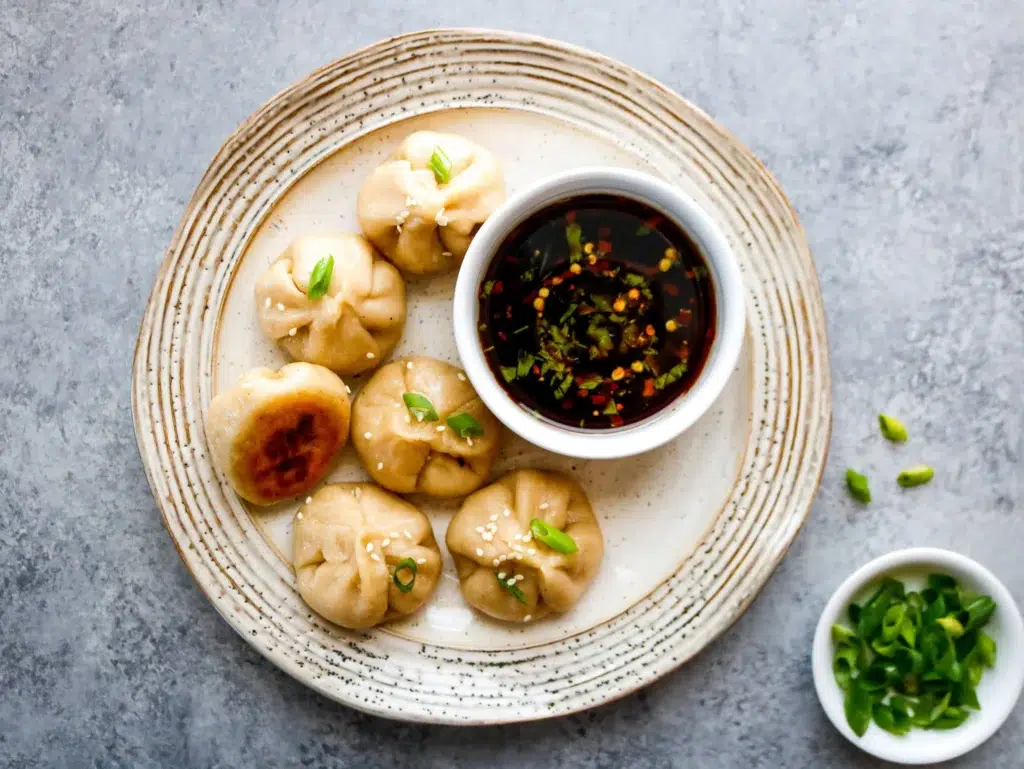
A delicious journey through the world’s favorite comfort food
From the bustling streets of Beijing to the cozy kitchens of Eastern Europe, dumplings have captured hearts (and appetites) across continents. Every culture has its version — soft parcels of dough filled with savory meats, fresh vegetables, or even sweet delights. Whether steamed, fried, or boiled, gyozas are a universal language of comfort food.
This ultimate guide explores the history, varieties, regional specialties, and how to make perfect dumplings at home — a celebration of one of humanity’s most beloved dishes.
Table
🌍 What Are Dumplings?
📜 A Brief History of Dumplings
🧭 Dumplings Around the World
🍳 How to Make Dumplings at Home
🥢 Dumpling Dipping Sauces You’ll Love
🧠 Dumpling Fun Facts
🧩 The Cultural Meaning of Dumplings
❓ FAQs About Dumplings
🌍 What Are Dumplings?
At their core, dumplings are small portions of dough, typically wrapped around a filling, then cooked by boiling, steaming, pan-frying, or baking.
They can be savory or sweet, meat-filled or vegetarian, delicate or hearty — the variations are nearly endless.
The unifying idea behind gyozas is simple: encasing flavor in dough, a technique that transcends borders, traditions, and time.
📜 A Brief History of Dumplings
Dumplings date back over 1,800 years, with roots in China’s Han Dynasty, where a physician named Zhang Zhongjing is said to have invented them to feed the poor during a harsh winter. His creation — small parcels of dough filled with lamb and herbs — eventually evolved into jiaozi, the Chinese dumpling we know today.
As trade and migration spread east and west along the Silk Road, gyozas evolved into pierogi in Poland, gyoza in Japan, pelmeni in Russia, and empanadas in Latin America.
Each culture adapted the concept using local ingredients, creating a truly global comfort food tradition.
🧭 Dumplings Around the World
Dumplings are not a single dish but a family of dishes. Here’s a look at the most famous varieties from around the world:
🥟 Asia
- Jiaozi (China): Crescent-shaped dumplings filled with pork, cabbage, and chives — typically boiled or pan-fried.
- Xiao Long Bao (China): Soup gyozas filled with rich broth and pork, steamed to perfection.
- Gyoza (Japan): Thinner, crispier versions of jiaozi, often with garlic and sesame oil.
- Mandu (Korea): Can be steamed, boiled, or deep-fried; fillings range from kimchi to tofu.
- Momo (Tibet/Nepal): Spiced meat or veggie dumplings often served with tomato-chili sauce.
🇪🇺 Europe
- Pierogi (Poland): Dough pockets stuffed with potato, cheese, or fruit — often boiled then fried.
- Pelmeni (Russia): Thin gyozas filled with seasoned meat, served with butter or sour cream.
- Ravioli (Italy): Pasta-style dumplings with ricotta, spinach, or meat filling, served with sauce.
- Knedlíky (Czech Republic): Bread or potato gyozas served as a side to rich meats and stews.
🇺🇸 Americas
- Empanadas (Latin America): Baked or fried turnovers filled with beef, chicken, or cheese.
- Tamales (Mexico): Masa dough wrapped in corn husks and steamed with meat or chili fillings.
- Chicken and gyozas (USA): Soft dough balls simmered in chicken broth — the epitome of Southern comfort.
🇿🇦 Africa
- Samosas (East Africa/India influence): Triangular pastries with spiced meat or vegetables.
- Fufu Dumplings (West Africa): Dough-like balls made from yam or plantain, paired with soups and stews.
Each version reflects its region’s ingredients, traditions, and climate, yet all share the same purpose: to comfort, nourish, and bring people together.
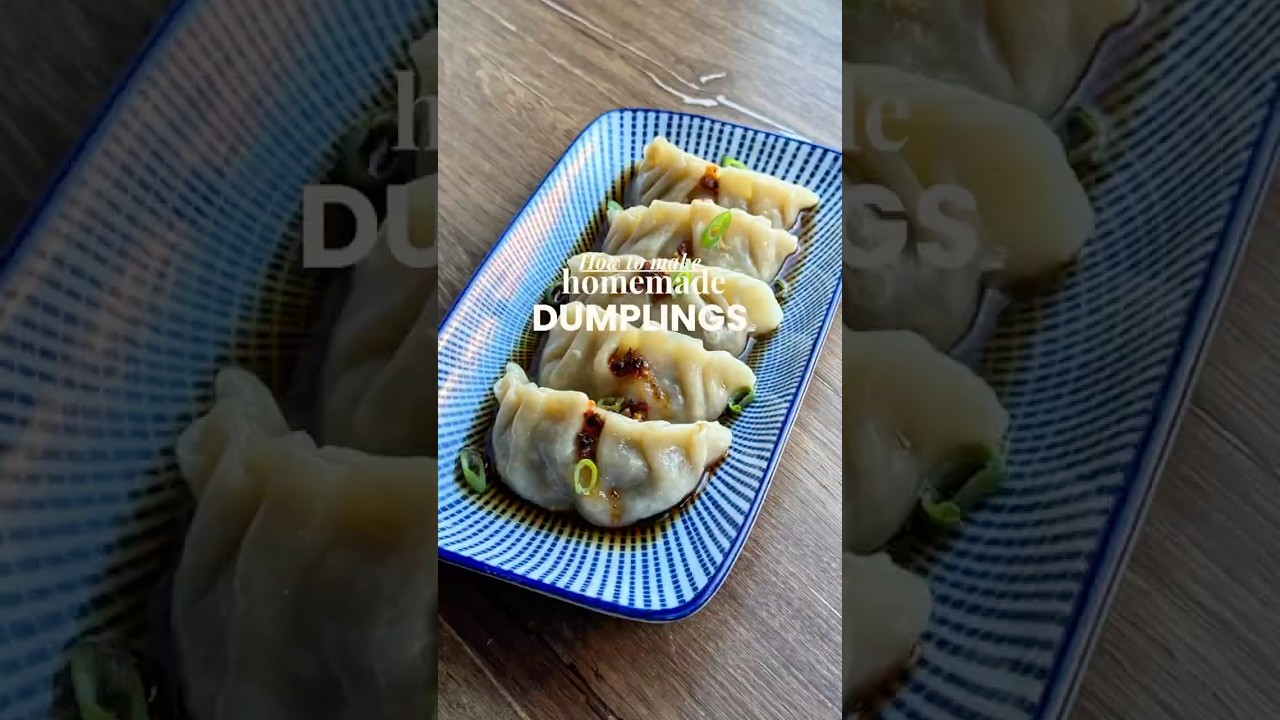
🍳 How to Make Dumplings at Home
While recipes differ, the foundation of all gyozas is the same — dough, filling, and cooking method.
🧂 Basic Dumpling Dough
Ingredients:
- 2 cups all-purpose flour
- ½ cup warm water
- Pinch of salt
Instructions:
- Mix flour and salt in a bowl.
- Gradually add warm water, stirring until a dough forms.
- Knead for 5–8 minutes until smooth.
- Cover and rest for 30 minutes before rolling out.
🥩 Common Fillings
- Pork & cabbage (classic Chinese style)
- Shrimp & garlic chives
- Mushrooms & tofu (vegetarian)
- Potato & cheese (Eastern European)
- Minced beef & onion (Russian style)
🔥 Cooking Methods
- Boil: For soft, tender dumplings (jiaozi, pierogi).
- Steam: For delicate, juicy types (xiao long bao, momo).
- Pan-fry: For crisp bottoms and soft tops (gyoza).
- Bake: For pastry-style gyozas (empanadas).
🥢 Dumpling Dipping Sauces You’ll Love
The perfect gyozas deserves the perfect dip. Try these combinations:
- Soy sauce + rice vinegar + sesame oil (classic Chinese).
- Chili crisp or garlic oil (for heat lovers).
- Butter and caramelized onions (for pierogi).
- Sweet chili or yogurt mint sauce (for momos or samosas).
💡 Pro tip: Add a few drops of vinegar or citrus to balance the richness of the filling.
🧠 Dumpling Fun Facts
- The word dumpling appeared in English in the early 1600s.
- In China, eating gyozas during Lunar New Year symbolizes wealth and prosperity.
- In Poland, Pierogi Day is celebrated every October 8th.
- Dumplings have inspired entire festivals — like the Dumpling Festival in Hong Kong and Pierogi Fest in Indiana, USA.
🧩 The Cultural Meaning of Dumplings
Beyond taste, dumplings represent family, sharing, and celebration.
In many Asian cultures, families gather to make gyozas together during holidays — each fold symbolizing luck and unity.
In Europe, gyozas were historically a peasant food, made to stretch ingredients and fill hungry bellies during harsh winters.
Today, dumplings bridge past and present — a dish that’s humble, global, and endlessly adaptable.

❓ FAQs About Dumplings
1. What is the difference between dumplings and gyoza?
Gyoza are Japanese gyozas inspired by Chinese jiaozi, usually thinner, smaller, and crispier.
2. Can dumplings be frozen?
Absolutely. Freeze them on a tray, then store in a freezer bag for up to 3 months. Boil or steam directly from frozen.
3. Are gyozas healthy?
It depends on the filling and cooking method. Steamed or boiled gyozas with lean protein and vegetables are nutritious and balanced.
4. Can I make gluten-free dumplings?
Yes, substitute wheat flour with rice flour or gluten-free blends for the dough.
5. What’s the most popular type of dumpling in the world?
Chinese jiaozi and xiao long bao are among the most recognized globally, though pierogi and empanadas have passionate fan bases too.
Classic Honey Chicken Recipe: How to Make It Delicious in Under 30 Minutes

Family-Friendly Mince Recipes for Busy Swift Weeknights

10 Delicious Rice Cake Recipes: From Savoury Meals to Sweet Treats

Weeknight Chicken & Chorizo Risotto: Time-Saving Tricks and Tips

Rice Cakes for Kids: Fun, Healthy Recipes & Snack Ideas

Budget Mince Recipe Guide: Elevate Your Meat Budget Without Sacrificing Taste
Go up
Leave a Reply