Hogs Pudding: The Complete Guide to Britain's West Country Breakfast Delicacy
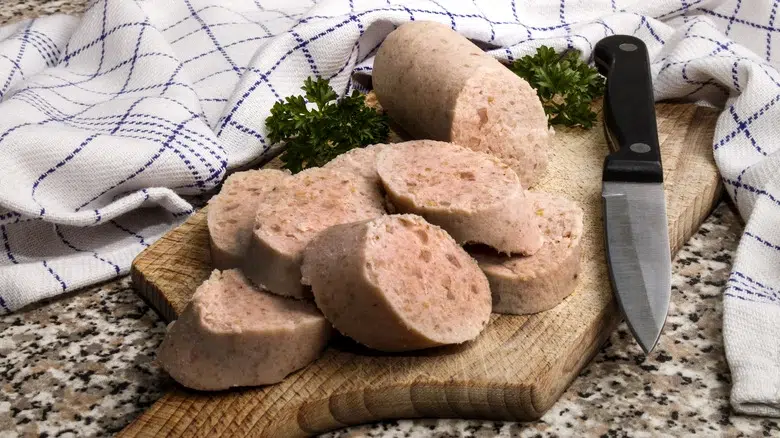
Walk into any traditional butcher's shop across Devon, Cornwall, or Somerset and you'll encounter a pale, plump sausage that's been gracing British breakfast plates for centuries. Hogs Pudding remains relatively unknown outside the West Country, yet it's every bit as worthy of celebration as its darker cousin.
Understanding this distinctive pudding—its ingredients, history, regional variations, and culinary applications—opens a window into Britain's rich food heritage and offers delicious opportunities for adventurous home cooks.
What Is Hogs Pudding?
This traditional West Country sausage combines pork meat, fat, bread or cereal, and spices encased in natural casings. Unlike its blood-based relatives, this pudding achieves its characteristic pale colour from the absence of blood, relying instead on herbs and seasoning for flavour complexity.
Defining Hogs Pudding's characteristics:
- Pale appearance – Greyish-white to light pink colour
- Coarse texture – Chunky consistency with visible grain
- Herbal flavour – Seasoned with pepper, herbs, and traditional spices
- Regional speciality – Concentrated in Devon, Cornwall, and Somerset
The pudding typically measures 15-20cm in length and 3-4cm in diameter, sold by weight at butchers or pre-packaged in supermarkets throughout the West Country.
Traditional preparation methods:
Butchers combine minced pork (typically shoulder or belly), pork fat, breadcrumbs or oatmeal, onions, and a proprietary spice blend. This mixture gets stuffed into natural casings, then poached or steamed until cooked through. The result delivers savoury richness without overwhelming heaviness.
Historical context:
Like many British puddings, Hogs Pudding emerged from agricultural communities' determination to utilize every part of the pig. While blood puddings preserved the animal's blood, this alternative used meat trimmings and fat that might otherwise go to waste—a testament to resourceful country cooking.
West Country farmers and miners particularly valued the pudding for providing affordable, filling sustenance during long working days. The tradition persists today, with family butchers maintaining closely guarded recipes passed through generations.
What's the Difference Between Hogs Pudding and Black Pudding?
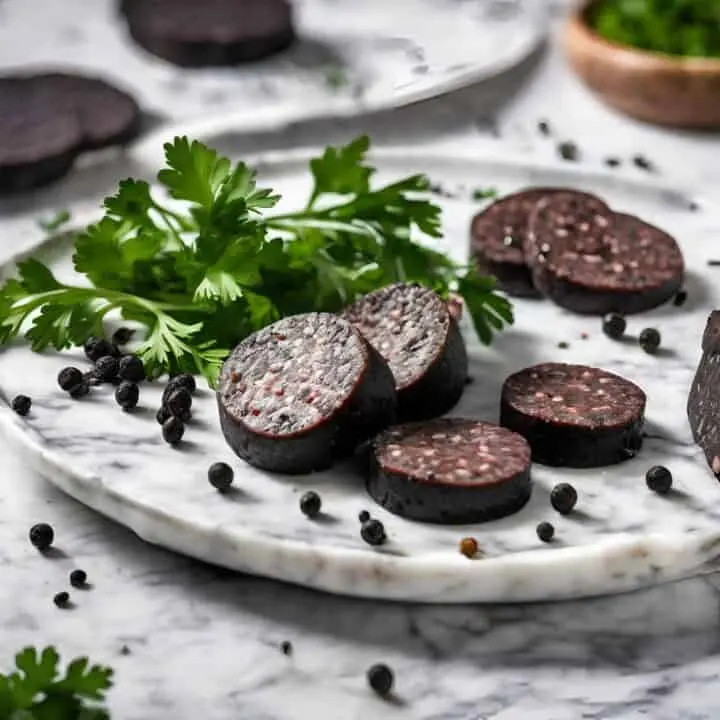
Despite sharing the "pudding" name and similar sausage forms, these two British breakfast staples differ substantially in composition, appearance, flavour, and regional association.
Ingredient Composition
Hogs pudding contains:
- Pork meat and fat
- Bread, oatmeal, or pearl barley
- Onions and herbs
- White pepper and spices
- No blood
Black pudding contains:
- Pork fat (or beef fat)
- Blood (typically pig's blood)
- Oatmeal or barley
- Onions
- Strong spices
The presence or absence of blood creates the fundamental distinction, affecting everything from colour to nutritional profile.
Visual Differences
The West Country variety presents a pale, almost greyish-white appearance when sliced, sometimes with slight pink tones from the pork. The texture appears coarser, with visible grain from the cereal content.
Black pudding (Hogs Pudding) displays its signature dark, almost black colour from oxidized blood. When sliced, it reveals a dense, uniform texture occasionally studded with white fat pieces creating visual contrast.
Flavour Profiles
Hogs pudding flavour:
- Milder, more subtle taste
- Herbal, peppery notes
- Pork flavour prominent
- Less metallic or mineral character
Black pudding flavour:
- Rich, intense, earthy taste
- Distinctive iron or mineral notes from blood
- Often spicier seasoning
- More polarizing among diners
Texture Comparison
The West Country speciality typically offers a crumblier, less dense texture. When fried, it develops crispy exterior edges whilst maintaining a soft, slightly grainy interior.
Black pudding delivers firmer, more compact texture. Slices hold together better during cooking, creating satisfying contrast between crispy outside and creamy inside.
Regional Geography
Hogs pudding territory:
- Devon (epicentre)
- Cornwall
- Somerset
- Parts of Dorset
Black pudding strongholds:
- Lancashire (Bury famous for it)
- Yorkshire
- Stornoway, Scotland
- Widespread across UK and Ireland
Cooking Applications
Both puddings suit similar breakfast applications, but their textural differences influence cooking methods.
The West Country variety:
- Slices 1-2cm thick for frying
- Can crumble for stuffing applications
- Excellent grilled or barbecued
- Sometimes baked whole then sliced
Black pudding:
- Typically fried or grilled in slices
- Holds shape better for stacking
- Used in black pudding scotch eggs
- Features in fine dining preparations
Nutritional Considerations
Hogs pudding nutrition (per 100g approximate):
- Calories: 250-300
- Protein: 12-15g
- Fat: 20-25g
- Iron: Moderate levels from pork
Black pudding nutrition (per 100g approximate):
- Calories: 280-350
- Protein: 13-16g
- Fat: 22-28g
- Iron: Very high levels from blood
The blood content makes black pudding exceptionally iron-rich—beneficial for those with deficiencies but potentially excessive for others.
What Is Hog Pudding Made Of?
Understanding the ingredient composition helps appreciate the craft involved and enables home cooks to evaluate quality when purchasing.
Primary Ingredients
Pork components: Hogs Pudding's foundation consists of pork meat, typically shoulder or belly cuts providing ideal fat-to-lean ratios. Quality butchers use 60-70% meat content, though cheaper commercial versions may contain less.
Pork fat (back fat or leaf lard) adds moisture and richness, preventing dry, crumbly results. Traditional recipes call for roughly 20-30% fat content.
Cereal binders: Breadcrumbs, oatmeal, pearl barley, or combinations thereof provide structure and extend the meat. These absorb moisture during cooking, creating the characteristic texture.
Devon recipes traditionally favour breadcrumbs, whilst Cornish versions sometimes incorporate oatmeal similar to Scottish preparations.
Aromatics: Finely chopped or minced onions appear in virtually all recipes, providing sweetness and moisture. Some butchers add leeks for additional depth.
Seasonings: White pepper forms the spice backbone, delivering subtle heat without darkening the pale appearance. Additional seasonings vary by butcher but commonly include:
- Sage or mixed herbs
- Mace or nutmeg
- Salt
- Occasionally coriander or allspice
Liquid: Water or pork stock moistens the mixture, ensuring proper binding and preventing dryness.
Casings: Natural pork casings provide the traditional enclosure, though some commercial producers use synthetic alternatives.
Recipe Variations - Hogs Pudding
Different butchers and regions maintain distinct approaches:
Devon style:
- Higher bread content
- Milder seasoning
- Finer grind
- Lighter colour
Cornish variations:
- Sometimes includes suet
- Occasionally features potato
- Coarser texture
- Heartier seasoning
Modern commercial versions:
- May include preservatives
- Standardized spicing
- Often pre-cooked
- Longer shelf life
Quality Indicators
When purchasing from butchers or farm shops, look for:
- High meat content – Should feel substantial, not overly soft
- Natural casings – Provide better texture than synthetic
- Pale colour – Greyish-white indicates proper composition
- Fresh appearance – Avoid dried-out or discoloured examples
- Local sourcing – West Country butchers typically offer authentic versions
Premium examples cost £8-12 per kilogram, whilst supermarket versions range £4-7 per kilogram.

What Is Cornish Hogs Pudding?
Cornwall's version of this breakfast staple carries distinctive characteristics reflecting the county's culinary traditions and agricultural heritage.
Cornish Distinctions
Cornish butchers often produce slightly different versions compared to their Devon counterparts, though considerable overlap exists.
Typical Cornish characteristics:
- Coarser texture – Chunkier grind showcasing meat
- Robust seasoning – Heartier spice profile
- Higher fat content – Creates richer mouthfeel
- Traditional methods – Many butchers maintain centuries-old recipes
The county's mining heritage influenced preparation styles. Miners needed dense, portable, filling foods that could be eaten cold during long underground shifts. This practical requirement shaped Cornish versions toward heartier compositions.
Regional Variations Within Cornwall
Even within Cornwall, notable variations exist between areas:
North Cornwall: Tends toward spicier versions with pronounced pepper, reflecting historical spice trade connections through Padstow and other ports.
West Cornwall: Sometimes incorporates potato in small amounts, linking to the county's agricultural traditions.
South Cornwall: Often features finer texture, influenced by proximity to Devon styles.
Notable Cornish Producers
Several Cornish butchers have achieved recognition for exceptional Hogs Pudding versions:
Traditional butcher shops: Family businesses throughout Bodmin, Truro, Newquay, and Launceston maintain loyal followings for their distinct recipes.
Farmers' markets: Cornwall's thriving farmers' market scene showcases artisan producers offering small-batch, premium versions using rare-breed pork.
Commercial producers: Larger operations supply supermarkets across the Southwest, making Cornish versions accessible beyond the county.
Cultural Significance
In Cornwall, Hogs Pudding represents more than breakfast meat—it embodies regional identity and culinary heritage. Local breakfast cafés prominently feature it alongside eggs, bacon, and mushrooms.
The pudding appears at traditional Cornish breakfasts, harvest celebrations, and community events. Its presence signals authenticity and connection to place.
Cornish Serving Traditions
Classic Cornish breakfast:
- Fried slices of the pudding
- Local free-range eggs
- Cornish bacon
- Grilled tomatoes
- Toast with Cornish butter
Innovative applications: Modern Cornish chefs incorporate the pudding into contemporary dishes, including stuffings for local game, toppings for gourmet pizzas, and components in elevated breakfast boards.
Is Hogs Pudding Good for You?
Evaluating the nutritional profile requires balanced consideration of both benefits and concerns, particularly within the context of overall dietary patterns.
Nutritional Benefits
High-quality protein: Each 100g serving provides approximately 12-15g protein, supporting muscle maintenance, immune function, and satiety. The pork-based protein offers complete amino acid profiles.
B vitamins: Pork naturally contains substantial B vitamins, particularly:
- B1 (Thiamine) – Energy metabolism, nervous system function
- B3 (Niacin) – Cellular energy production
- B6 – Protein metabolism, cognitive development
- B12 – Red blood cell formation, neurological health
Minerals: The pudding provides useful amounts of:
- Iron – Oxygen transport (though less than black pudding)
- Zinc – Immune function, wound healing
- Selenium – Antioxidant protection
- Phosphorus – Bone health
Sustained energy: The combination of protein, fat, and complex carbohydrates from cereal content provides steady energy release, making it suitable for active lifestyles or physically demanding work.
Nutritional Concerns
High fat content: With 20-25g fat per 100g, the pudding is calorie-dense. Saturated fat content ranges 7-10g per 100g—significant relative to recommended daily limits.
Sodium levels: Traditional preparation includes substantial salt for flavour and preservation. Sodium content typically reaches 600-900mg per 100g, contributing meaningfully to daily intake limits.
Processed meat classification: As a processed pork product, health authorities recommend moderate consumption. The World Health Organization classifies processed meats as Group 1 carcinogens, though risk increases with quantity and frequency.
Calorie density: At 250-300 calories per 100g, portions can contribute substantially to daily calorie intake. A typical two-slice serving (80-100g) provides 200-300 calories.
Comparison with Alternatives
Versus black pudding: Contains less iron and fewer calories, but similar fat and protein content. Better choice for those monitoring iron intake or preferring milder flavours.
Versus pork sausages: Generally comparable nutritionally, though sausages may contain more preservatives and fillers depending on quality.
Versus bacon: Higher protein per serving, similar fat content, often less sodium depending on bacon type.
Healthy Consumption Guidelines
Portion control: Treat as an occasional breakfast component rather than daily staple. 50-80g (2-3 slices) provides flavour and satisfaction without excessive calories.
Frequency recommendations: Limit processed meat consumption to 1-2 times weekly, varying protein sources throughout the week.
Preparation methods:
- Grill or dry-fry to reduce added fat
- Avoid cooking in additional oil or butter
- Pair with vegetables to balance the meal
- Choose wholegrain toast over white
Quality considerations: Higher-quality versions from traditional butchers typically contain:
- Fewer additives and preservatives
- Higher meat content
- Better fat-to-lean ratios
- No artificial ingredients
Balancing Enjoyment and Health
Hogs Pudding can absolutely fit within healthy eating patterns when consumed mindfully:
Treat approach: Enjoy as weekend breakfast treat rather than weekday staple, savouring the cultural and flavour experience.
Active lifestyle context: Those with high energy expenditure from physical work or exercise can accommodate higher-calorie, protein-rich foods more easily.
Cultural value recognition: Food's role extends beyond pure nutrition—traditional foods offer cultural connection, regional pride, and culinary heritage worth preserving.
Compensatory balance: When including the pudding in meals, balance with:
- Fresh vegetables and salad
- Wholegrains
- Lighter meals throughout the day
- Reduced saturated fat from other sources
Cooking Hogs Pudding: Methods and Recipes
Traditional Frying Method
Preparation: Slice the pudding into 1-2cm thick rounds. No need to remove casing if natural.
Cooking: Heat a non-stick frying pan over medium heat with minimal oil. Add slices and cook 4-5 minutes per side until golden brown and heated through. The exterior should crisp whilst the interior remains moist.
Serving: Arrange on plates alongside traditional breakfast components or modern variations.
Grilling Technique
Setup: Preheat grill to medium-high. Line grill pan with foil for easy cleaning.
Cooking: Place slices on grill pan and cook 3-4 minutes per side, turning once. Watch carefully to prevent burning.
Advantage: Reduces fat content as excess drips away during cooking.
Oven Baking
Method: Preheat oven to 180°C (160°C fan). Arrange slices on baking tray and cook 20-25 minutes, turning halfway.
Best for: Preparing large quantities or when stovetop space is limited.
Modern Recipe Applications
Stuffed chicken breast: Butterfly chicken breasts, fill with crumbled pudding mixed with herbs and breadcrumbs, then roast until cooked through.
Breakfast hash: Crumble and fry with potatoes, onions, and peppers for hearty West Country hash.
Scotch eggs: Wrap around soft-boiled eggs instead of sausage meat for regional variation.
Pizza topping: Slice thinly and add to pizzas with caramelized onions and strong cheese.
Frequently Asked Questions
What's the difference between hogs pudding and black pudding?
Hogs pudding contains pork meat without blood (pale colour), while black pudding uses blood (dark colour). Different textures and flavour profiles.
What is hogs pudding made of?
Pork meat and fat, bread or oatmeal, onions, herbs, white pepper, and spices—stuffed in natural casings. No blood included unlike black pudding.
What is Cornish Hogs pudding?
Cornwall's version features coarser texture, robust seasoning, and traditional recipes reflecting mining heritage. Similar to Devon versions with regional variations.
Is Hogs Pudding good for you?
Provides protein and B vitamins but high in fat and sodium. Enjoy occasionally (1-2 times weekly) as part of balanced diet, not daily staple.
Conclusion
This distinctive West Country speciality deserves recognition beyond its regional heartland. Whether you're enjoying authentic slices at a Devon café, purchasing from Cornish butchers, or preparing at home, this pale pudding offers delicious connection to British culinary heritage.
Its milder character compared to blood-based cousins makes it accessible to broader audiences whilst maintaining the satisfying richness that's made British breakfast puddings famous worldwide. Treat it as the occasional indulgence it's meant to be, savour its unique flavour, and appreciate the centuries of tradition in every bite.
Leave a Reply