Hosomaki: The Essential Guide to Japanese Thin Sushi Rolls
Japanese cuisine has captivated British diners for decades, yet confusion often surrounds the different types of sushi available at your local restaurant or supermarket. Understanding these distinctions transforms casual sushi eating into an informed culinary experience.
This comprehensive guide explores Hosomaki, its unique characteristics, how it differs from other varieties, and where it fits within the broader sushi landscape.
What Is Hosomaki?
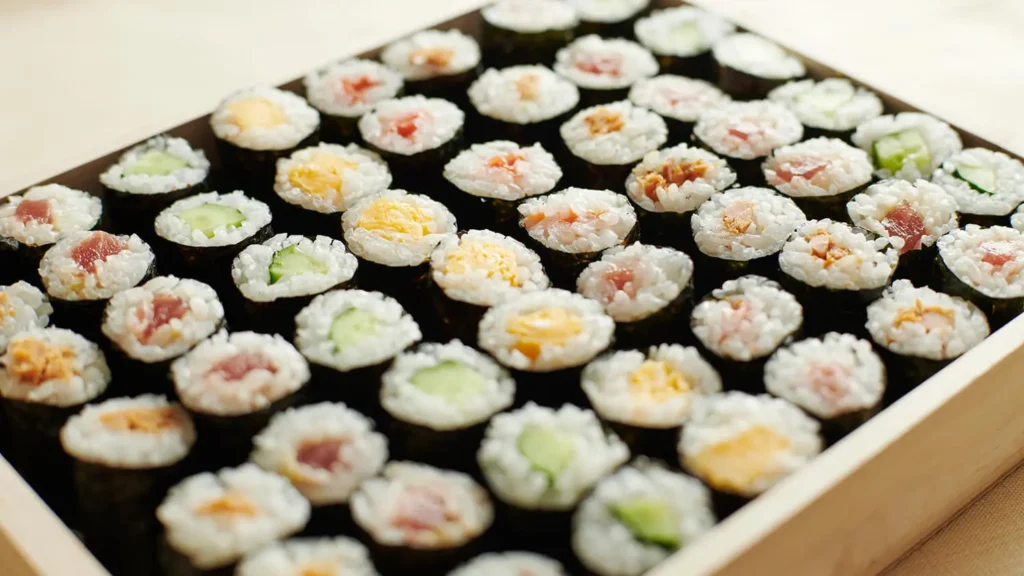
This traditional Japanese sushi consists of a thin cylindrical roll wrapped in nori seaweed with vinegared rice and a single filling. Unlike larger, more elaborate rolls, Hosomaki measure approximately 2-3 centimetres in diameter and showcase simplicity and precision.
Key characteristics:
- Single filling – Contains one ingredient (cucumber, tuna, salmon, or pickled vegetables)
- Nori outside – Seaweed wrapper visible on the exterior
- Small rice portion – Less rice than larger roll varieties
- Bite-sized pieces – Typically cut into 6-8 pieces per roll
The minimalist approach allows the featured ingredient's flavour to shine without competing elements. This makes these rolls perfect for appreciating quality fish or crisp vegetables.
Common varieties found in UK restaurants:
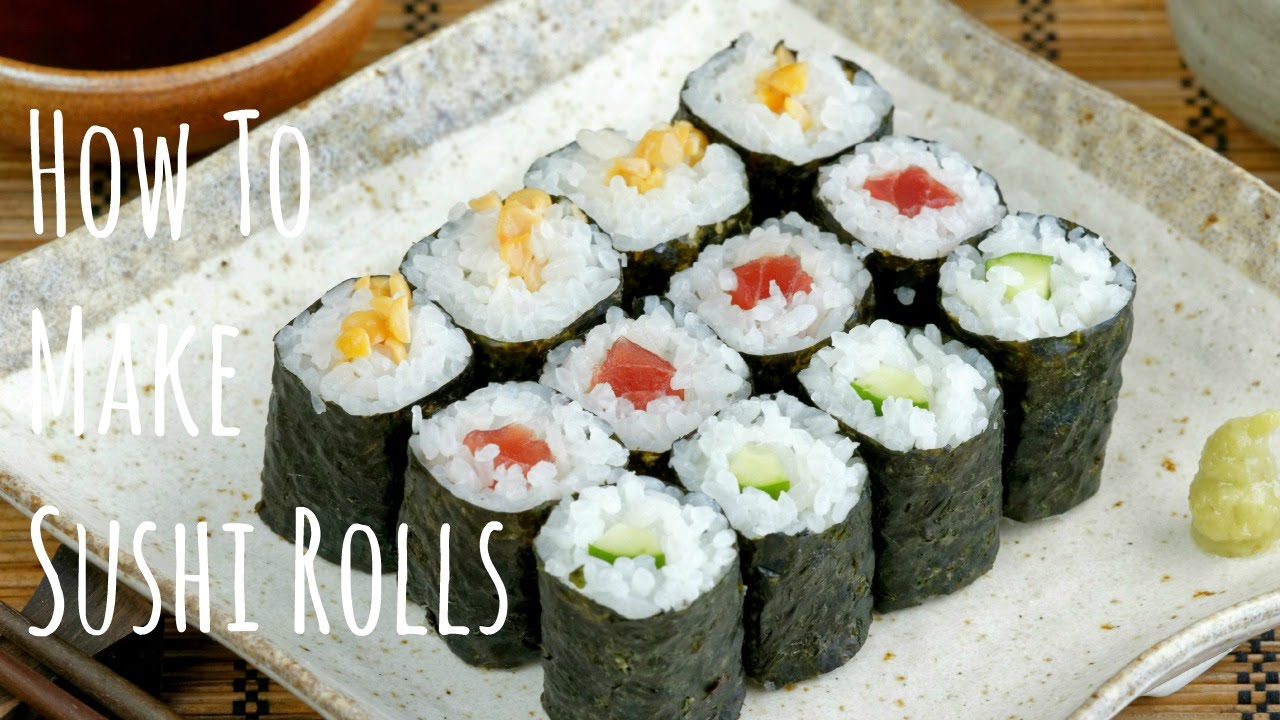
- Kappa – Cucumber filling, refreshing and vegetarian
- Tekka – Raw tuna, rich and flavourful
- Sake – Fresh salmon, buttery and mild
- Oshinko – Pickled radish, tangy and crunchy
Authentic Japanese establishments serve these rolls as palate cleansers between richer sushi courses, whilst British venues often include them in mixed platters or lunch sets.
What Is the Difference Between Hosomaki and Maki?
Understanding the distinction between these terms clarifies menu options and helps you order precisely what you're craving.
The Terminology Explained
"Maki" translates to "roll" in Japanese and serves as an umbrella term encompassing all rolled sushi varieties. The thin rolls we're discussing represent just one category within this broader classification.
The relationship breaks down as follows:
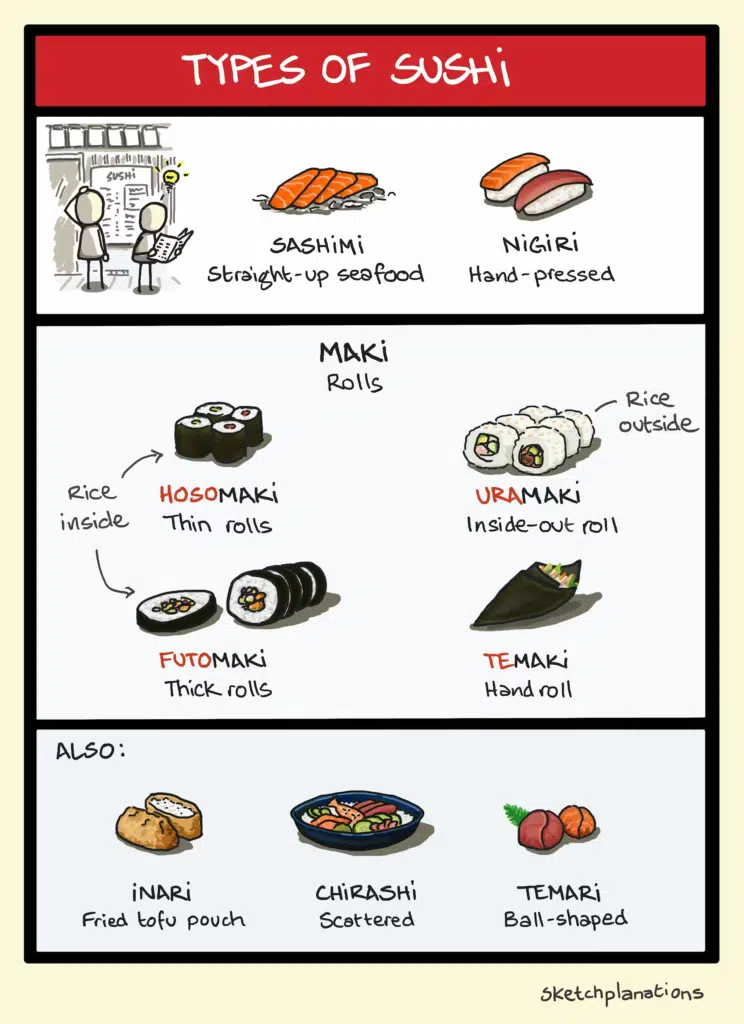
- Maki = General term for all rolled sushi
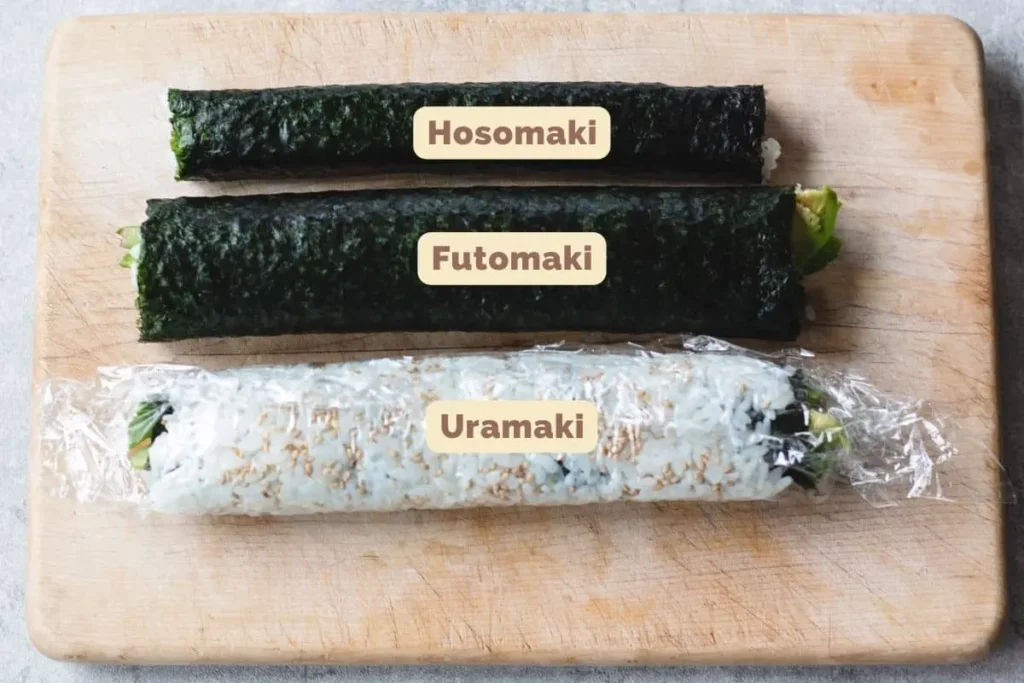
- Hosomaki = Thin rolls (specific type of maki)
- Futomaki = Thick rolls (another type of maki)
- Uramaki = Inside-out rolls (yet another maki variety)
Size and Composition Differences
Thin rolls characteristics:
- Diameter: 2-3 cm
- Single filling ingredient
- Nori on outside
- 6-8 pieces per roll
Futomaki (thick rolls) characteristics:
- Diameter: 4-5 cm
- Multiple fillings combined
- Nori on outside
- 4-6 pieces per roll
Uramaki (inside-out rolls) characteristics:
- Rice on outside surface
- Nori hidden inside
- Multiple ingredients
- Often topped with sesame seeds or tobiko
Visual Identification
When examining a sushi platter, thin rolls are immediately recognizable by their compact size and visible seaweed exterior. The cross-section reveals a simple composition: outer nori layer, rice ring, and central filling.
Larger rolls display more complex cross-sections with multiple coloured ingredients creating mosaic-like patterns. Inside-out varieties show rice coating the exterior, often sprinkled with decorative toppings.
Culinary Purpose
Japanese tradition positions thin rolls as refined, focused expressions highlighting singular premium ingredients. Their simplicity demands high-quality components—there's nowhere for inferior fish or vegetables to hide.
Thick and inside-out rolls evolved to satisfy Western preferences for variety and abundance, combining multiple flavours and textures in each bite. These adaptations have become staples in British sushi outlets.
What Does "Hoso Maki" Actually Mean?
Understanding the Japanese etymology enriches appreciation for this sushi style's philosophy and cultural significance.
Breaking Down the Words
"Hoso" (細) translates to "thin," "narrow," or "slender"
"Maki" (巻き) means "roll" or "to roll"
Combined, the term literally means "thin roll"—a straightforward description that perfectly captures the preparation's essential characteristic.
Cultural Context
Japanese culinary terminology often describes dishes with precise, functional names rather than poetic or abstract ones. This directness reflects values of clarity and honesty in food presentation.
The naming convention extends throughout sushi vocabulary:
- Futo (太) = thick, hence futomaki = thick roll
- Ura (裏) = inside/reverse, hence uramaki = inside-out roll
- Te (手) = hand, hence temaki = hand roll
Pronunciation Guide for British Diners
Correct pronunciation: "hoh-soh-mah-kee"
- First syllable rhymes with "go"
- Second syllable like "so"
- Third syllable like "ma" in "mama"
- Final syllable like "key"
Emphasis falls evenly across syllables without strong stress, maintaining the flowing rhythm characteristic of Japanese speech.
Alternative Names
Some restaurants list Hosomaki differently on English menus:
- Thin rolls
- Small rolls
- Single-filling rolls
- Traditional maki
However, using the Japanese term demonstrates respect for culinary traditions and helps communicate precisely with sushi chefs.
What Are the 7 Types of Sushi?
Sushi encompasses far more variety than many British diners realize. Understanding the seven main categories expands your ordering repertoire and appreciation for Japanese cuisine's diversity.
1. Nigiri
Description: Hand-pressed rice topped with fish, seafood, or occasionally vegetables. No seaweed wrapper, though a thin nori strip sometimes secures the topping.
Characteristics:
- Two pieces constitute one order
- Rice shaped into oval mounds
- Fresh, high-quality fish essential
- Often brushed with soy-based glaze
Common varieties: Salmon, tuna, sea bass, prawn, octopus, sea urchin, eel
Serving tradition: Considered the purest sushi form, allowing diners to appreciate fish quality and chef skill directly.
2. Maki (Including Hosomaki)
Description: Rolled sushi with rice and fillings wrapped in nori seaweed, then sliced into circular pieces.
Subcategories:
- Thin rolls (our focus) – single filling
- Thick rolls – multiple ingredients
- Inside-out rolls – rice exterior
Popular in UK: California rolls, spicy tuna rolls, rainbow rolls, Philadelphia rolls
Eating method: Pick up with chopsticks or fingers, dip lightly in soy sauce, consume in one bite.
3. Temaki (Hand Rolls)
Description: Cone-shaped sushi with nori formed into a funnel filled with rice and ingredients.
Characteristics:
- Eaten immediately after preparation
- Cannot be shared (one cone per person)
- Held and eaten with hands
- Nori should remain crispy
Best for: Interactive dining experiences where freshness is paramount.
4. Sashimi
Description: Sliced raw fish or seafood served without rice. Technically not sushi, but often grouped in sushi discussions.
Characteristics:
- Showcases pristine fish quality
- Served with wasabi, ginger, soy sauce
- Cut with exceptional knife skills
- Presentation artistry important
Premium options: Bluefin tuna, yellowtail, sea bream, scallops, salmon belly
Perfect for: Low-carb diners and those wanting pure seafood flavours.
5. Uramaki (Inside-Out Rolls)
Description: Rice-outside rolls created to appeal to Western preferences, hiding the seaweed inside.
Characteristics:
- Rice coated with sesame seeds or roe
- Multiple colourful fillings
- Often includes cream cheese or avocado
- Larger than traditional thin rolls
Western innovations: Dragon rolls, caterpillar rolls, spider rolls
British popularity: These represent the most commonly ordered sushi in UK establishments.
6. Chirashi
Description: "Scattered sushi" consisting of sushi rice in a bowl topped with various sashimi and garnishes.
Characteristics:
- Economical way to enjoy multiple fish types
- Beautiful presentation
- Eaten with chopsticks like a rice bowl
- Often includes vegetables and egg
Serving occasions: Lunch specials, celebration meals, home-style cooking
Value proposition: Typically offers better fish-to-price ratio than individual nigiri orders.
7. Oshizushi (Pressed Sushi)
Description: Osaka-style sushi created using wooden moulds to press layers of rice and toppings into rectangular blocks.
Characteristics:
- Firm, compact texture
- Geometrically perfect presentation
- Often features mackerel or eel
- Less common in UK restaurants
Regional specialty: Predominantly found in Kansai region of Japan, occasionally appearing in authentic London establishments.
Distinctive features: The pressing process creates denser rice texture and allows beautiful layered visual effects.
How to Enjoy Hosomaki Like a Connoisseur
Ordering Strategies
For beginners: Start with cucumber (kappa) rolls to appreciate the form without raw fish concerns. Progress to salmon before trying tuna or more adventurous options.
For variety seekers: Order mixed platters including several thin roll varieties alongside nigiri and other styles for comprehensive tasting experiences.
For traditionalists: Request chef's selection of seasonal fish prepared as thin rolls, allowing the sushi master to showcase premium ingredients.
Proper Hosomaki Eating Technique
Using chopsticks: Grasp pieces gently around the middle, avoiding excessive squeezing that crushes the rice or filling.
Using fingers: Perfectly acceptable in Japanese tradition. Pick up by the sides, keeping hands clean with provided wet towels.
Soy sauce application: Dip fish side lightly into soy sauce, never the rice. Over-soaking creates mushy texture and overwhelms delicate flavours.
Wasabi usage: Traditional etiquette suggests the chef adds appropriate wasabi amounts inside. Adding more risks insulting the preparation, though Western establishments typically accommodate preferences.
Ginger purpose: Pickled ginger cleanses the palate between different fish types—not meant for eating with each piece.
Pairing Suggestions
Beverages:
- Green tea – traditional, cleansing
- Sake – warm or cold depending on season
- Japanese beer – Asahi, Sapporo, Kirin
- Sparkling water – preserves palate sensitivity
- Champagne
Accompaniments:
- Miso soup – warming starter
- Edamame – protein-rich appetizer
- Seaweed salad – complementary textures
Making Hosomaki at Home
Essential Equipment
Bamboo rolling mat (makisu): Inexpensive tool available from Asian supermarkets or online retailers for £3-£5.
Sharp knife: Crucial for clean cuts without squashing. Wet the blade between slices.
Rice cooker: While not essential, ensures consistent results. Quality models available from £30.
Ingredient Shopping in the UK
Sushi-grade fish: Purchase from reputable fishmongers or Japanese grocers. Supermarket "sushi-grade" salmon works for beginners. Expect £12-£20 per portion.
Sushi rice: Short-grain Japanese rice from Asian supermarkets. Brands like Yutaka or Clearspring cost £3-£5 per kilogram.
Nori sheets: Roasted seaweed sheets, approximately £2-£4 for 10-sheet packets.
Rice vinegar: Seasoned or unseasoned varieties available. Budget £2-£3 per bottle.
Basic Preparation Steps
- Cook rice according to package directions, season with vinegar mixture while warm
- Prepare filling by cutting into long, thin strips matching nori sheet width
- Lay nori shiny side down on bamboo mat
- Spread rice thinly across bottom two-thirds of nori
- Place filling in a line across rice centre
- Roll tightly using mat to guide, moistening nori edge to seal
- Cut into pieces with wet, sharp knife using sawing motion
Common Mistakes to Avoid
- Overfilling with rice (creates bulky, difficult-to-roll results)
- Using warm rice (causes nori to become soggy)
- Cutting with dry knife (tears and crushes rolls)
- Applying too much pressure when rolling (squeezes out filling)
Frequently Asked Questions
What is Hosomaki?
Thin cylindrical sushi rolls wrapped in nori with rice and single filling, measuring 2-3cm diameter, typically cut into 6-8 bite-sized pieces.
What is the difference between Hosomaki and Maki?
Maki means "roll" (general term), while the thin variety is a specific maki type featuring single filling and compact size versus thick/inside-out rolls.
What does "hoso maki" actually mean?
"Hoso" means thin/narrow, "maki" means roll—literally "thin roll" in Japanese, describing the preparation's essential characteristic.
What are the 7 types of sushi?
Nigiri, maki (rolls), temaki (hand rolls), sashimi, uramaki (inside-out), chirashi (scattered), and oshizushi (pressed sushi).
Conclusion
Hosomaki represent Japanese culinary philosophy at its finest—simple, refined, and ingredient-focused. Whether ordering at restaurants or attempting home preparation, understanding their characteristics, proper terminology, and place within sushi's broader landscape enhances every dining experience.
Start with familiar cucumber or salmon varieties, observe proper eating etiquette, and gradually explore seasonal offerings as your appreciation deepens. The journey from casual sushi consumer to informed enthusiast begins with these perfectly formed, delicious cylinders.
Leave a Reply