
🐯 How to Make Tiger Bread at Home (Crispy, Golden, & Bakery-Style) in 5 Steps
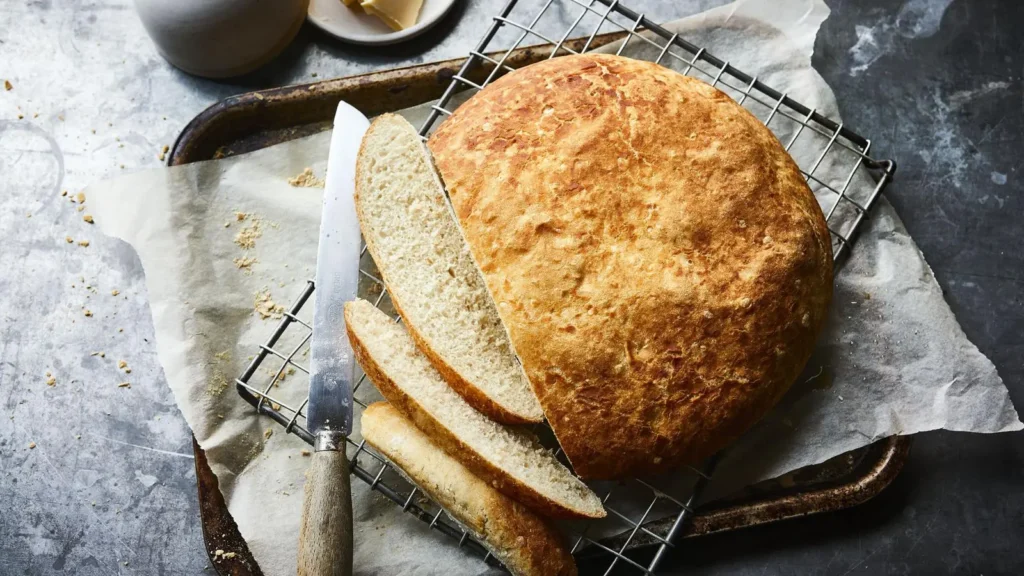
That iconic crackled crust and soft, fluffy centre — now in your own kitchen.
There’s something irresistibly satisfying about the contrast of a crusty loaf with a soft, pillowy interior. Tiger bread, also known as Dutch Crunch bread, offers just that — a beautifully marbled, crackled topping with a golden finish and a name that sparks curiosity.
Popular in British bakeries and supermarket shelves, tiger bread is a showstopper you can now recreate at home. With a few humble ingredients and a clever topping made of rice flour, you’ll be pulling a loaf from the oven that looks and tastes like it came straight from an artisan bakery.

Table
🍞 What Is Tiger Bread?
🧾 Ingredients (Makes 1 medium loaf or 6 tiger bread rolls)
🛠️ Equipment You’ll Need
👨🍳 Method: Step-by-Step
🧡 How to Serve Tiger Bread
🧠 Pro Tips
🧊 Storage
📌 Tiger Bread Fun Fact
📝 Final Thoughts
🍞 What Is Tiger Bread?
Tiger bread gets its name from the mottled crust that resembles the stripes of a tiger (although it was once adorably renamed “giraffe bread” in Sainsbury’s after a customer’s child pointed out the similarity). The secret to this unique crust is a paste made from rice flour, sesame oil, sugar, and yeast, spread on top of the dough before baking. As the loaf rises in the oven, the paste dries, cracks, and forms that famous pattern.
Originating from the Netherlands (where it’s called tijgerbrood), it has since gained popularity in the UK and around the world.
🧾 Ingredients (Makes 1 medium loaf or 6 tiger bread rolls)
For the Bread Dough:
- 500g strong white bread flour
- 7g fast-action yeast
- 1½ tsp fine sea salt
- 1 tbsp sugar
- 2 tbsp vegetable oil
- 300ml warm water (not hot)
For the Tiger Crust Topping:
- 100g rice flour (essential for proper cracking)
- 1 tsp sugar
- ½ tsp salt
- ½ tsp fast-action yeast
- ½ tbsp sesame oil (or sunflower)
- 80ml warm water (adjust if too thick)
🐾 Tip: Make sure your rice flour is the fine type — not sticky rice or glutinous varieties.
🛠️ Equipment You’ll Need
- Large mixing bowl
- Dough scraper or wooden spoon
- Baking tray
- Parchment paper
- Cling film or clean tea towel
- Pastry brush or spoon
- Cooling rack
👨🍳 Method: Step-by-Step
1. Make the Dough
Combine flour, yeast, salt, and sugar in a bowl. Add warm water and oil, and stir until a dough forms. Knead for 8–10 minutes until smooth and elastic.
Cover with a clean towel and let rise for 1 hour or until doubled in size.
2. Prepare the Tiger Paste
While the dough is rising, mix all topping ingredients into a thick, spreadable paste. Cover and leave in a warm place for 15 minutes so the yeast activates. It will puff slightly.
3. Shape and Second Rise
Turn out the dough, knock it back, and shape into a round loaf or individual rolls. Place on a parchment-lined baking tray.
Cover loosely and leave to rise for 30–40 minutes until puffy but not over-proofed.
4. Apply the Tiger Paste
Once risen, gently brush or spoon the tiger paste over the top of the loaf or rolls. Apply generously — a thick coating gives the best crackle.
🖌️ Avoid brushing too hard — you don’t want to deflate the dough.
5. Bake
Preheat oven to 200°C fan / 220°C conventional / 425°F.
Bake for 25–30 minutes (rolls: 18–20 min) until the crust is deep golden and crackled, and the loaf sounds hollow when tapped on the base.
6. Cool and Admire
Transfer to a wire rack and let cool before slicing. The crust will firm as it cools, giving you that signature crunch.
🧡 How to Serve Tiger Bread
Tiger bread is fantastically versatile. Enjoy it:
- Warm with salted butter
- Sliced for sandwiches with roast chicken and rocket
- Toasted with garlic butter for a crunchy bruschetta
- As buns for gourmet burgers
- Alongside hearty soups like in our 10 Best Comfort Food Recipes
🧠 Pro Tips
- Use rice flour only for the topping — plain flour won’t crack the same way.
- Don’t skip the second proof — it’s key to getting an airy crumb.
- Add a small dish of water in the oven for extra crustiness.
- Rolls are easier for beginners than shaping a loaf.
Want to see a visual walkthrough? BBC Food has a lovely demo version of Dutch crunch bread:
👉 BBC Food: Tiger Bread Recipe
🧊 Storage
- Room Temp: Store in a paper bag or bread bin — keeps 2–3 days
- Freezer: Freeze slices with parchment in between; toast straight from frozen
- Avoid Fridge: It’ll go stale faster
📌 Tiger Bread Fun Fact
In 2011, Sainsbury’s temporarily renamed it “giraffe bread” after a toddler’s letter went viral — proving tiger bread has a special place in people’s hearts, not just kitchens.
❓ FAQs
What makes tiger bread different from regular bread?
Tiger bread features a unique rice flour paste on top that dries and cracks during baking, creating a signature mottled crust. It’s crispy on the outside, soft inside, and completely yeast-free in the topping.
Can I make tiger bread without rice flour?
Technically yes, but you won’t get the same crackle effect. Rice flour is essential for the traditional tiger bread look and texture. Substitutes like plain flour won’t produce the same results.
Is tiger bread the same as Dutch crunch bread?
Yes! Tiger bread is the UK term for what’s known as Dutch crunch bread in the U.S. and the Netherlands. The recipe and crackled crust method are the same.
Why is it sometimes called giraffe bread?
In 2011, a UK supermarket temporarily renamed it giraffe bread after a young child remarked that the crust looked more like giraffe spots. The name stuck for a while as a sweet marketing twist.
📝 Final Thoughts
Whether you’re a curious beginner or a seasoned home baker, tiger bread offers a rewarding bake that’s equal parts texture, taste, and visual delight. It’s a stunning centrepiece that delivers crunch with every bite, making it just as good for weekend brunch as it is for weekday lunches.
With this step-by-step guide, you’ll never have to settle for supermarket tiger bread again. Once you’ve made your first loaf, you’ll see just how addictive that crackled crust can be.
Classic Honey Chicken Recipe: How to Make It Delicious in Under 30 Minutes

Family-Friendly Mince Recipes for Busy Swift Weeknights

10 Delicious Rice Cake Recipes: From Savoury Meals to Sweet Treats

Weeknight Chicken & Chorizo Risotto: Time-Saving Tricks and Tips

Rice Cakes for Kids: Fun, Healthy Recipes & Snack Ideas

Budget Mince Recipe Guide: Elevate Your Meat Budget Without Sacrificing Taste
Go up
Leave a Reply