
5 Common Mistakes When Making a Victoria Sponge (and How to Fix Them) 🍰

Table
- Why Your Victoria Sponge Might Be More “Oops” Than “Wow” 😅
- Common Ingredients for a Perfect Sponge 🥚
- 1. Flat Sponge? It’s Not Rising to the Occasion! 🎈
- 2. Dense Sponge? Heavy Isn’t Always Happy! 🧱
- 3. Soggy Layers? Nobody Likes a Damp Cake! 💧
- 4. Cracked Top? More Volcano Than Cake 🌋
- 5. Uneven Layers? Lopsided Isn’t Lovely! 🤔
- The Perfect Sponge-Making Technique
- Frequently Asked Questions (FAQs) About Victoria Sponge Cake Troubleshooting 🍰
- Master the Art of the Victoria Sponge (and Impress Everyone!) 🎉
Why Your Victoria Sponge Might Be More “Oops” Than “Wow” 😅
The Victoria sponge is a quintessential British bake, loved for its simplicity and timeless elegance. But even the most seasoned bakers can stumble over a few common hurdles. Whether you’re a baking novice or a self-proclaimed star baker, understanding what goes wrong—and how to fix it—will save your cake from becoming a kitchen catastrophe.
What Is a Victoria Sponge? 🎂
The Victoria sponge is a light, airy cake traditionally layered with jam and cream, dusted with icing sugar for a timeless finish. Its origin dates back to the 19th century, when Queen Victoria enjoyed it with her afternoon tea. Today, it remains a staple of British baking, adored for its versatility and charm.
Why Is the Victoria Sponge Tricky to Master?
While the Victoria Sponge recipe seems simple—eggs, butter, sugar, and flour—the devil is in the details. Achieving the perfect balance of lightness, moisture, and structure requires precision and practice. Let’s explore the key components that make or break this classic.
Common Ingredients for a Perfect Sponge 🥚
For a flawless Victoria sponge, start with the basics:
- Butter: Use unsalted and at room temperature for easier creaming.
- Sugar: Caster sugar works best for a fine texture.
- Eggs: Opt for large, free-range eggs.
- Flour: Self-raising flour provides the necessary lift.
Choosing the Right Butter and Eggs
Room-temperature butter and eggs blend more smoothly, ensuring an even batter. Too cold? Your mixture may curdle. Too warm? It could become greasy.
Self-Raising Flour vs. Plain Flour
While self-raising flour is the go-to, you can make your own by adding 2 teaspoons of baking powder per 150g of plain flour.
1. Flat Sponge? It’s Not Rising to the Occasion! 🎈
One of the most disappointing baking blunders is a sponge that just won’t rise. Here’s what could be going wrong:
Common Mistakes
- Expired baking powder: Check the date on your raising agents—freshness matters!
- Under-creaming the butter and sugar: You need to whip them until they’re light and fluffy.
- Oven woes: An uneven temperature or opening the oven door too early can sabotage your rise.
How to Fix It
- Test your baking powder by adding a pinch to warm water—it should fizz immediately.
- Cream butter and sugar for at least 3–5 minutes. It should resemble soft clouds ☁️.
- Always preheat your oven and resist the temptation to peek too soon.
2. Dense Sponge? Heavy Isn’t Always Happy! 🧱
If your sponge feels more like a brick, it’s likely down to overmixing or imprecise measurements.
Common Mistakes
- Overworking the batter: Too much mixing activates the gluten, leading to a chewy texture.
- Too much liquid or flour: Baking is a science—guessing won’t work!
How to Fix It
- Fold your flour gently using a metal spoon or spatula. Aim for a ribbon-like consistency.
- Use digital scales for precision and follow the recipe to the letter.
3. Soggy Layers? Nobody Likes a Damp Cake! 💧
A soggy sponge can ruin the delicate charm of a Victoria sponge.
Common Mistakes
- Overloading with jam or cream: Less is more!
- Underbaking: A wet sponge centre is a no-go.
How to Fix It
- Spread your jam and cream evenly, leaving a small gap near the edges to avoid oozing.
- Check your bake by inserting a skewer—it should come out clean.
4. Cracked Top? More Volcano Than Cake 🌋
Cracks on the surface might look rustic, but they can make decorating tricky.
Common Mistakes
- Oven too hot: This forces the batter to rise too quickly.
- Overfilling the tin: Your batter needs room to grow.
How to Fix It
- Bake at the correct temperature (typically 180°C/160°C fan).
- Fill tins no more than two-thirds full for an even bake.
5. Uneven Layers? Lopsided Isn’t Lovely! 🤔
If your sponge comes out uneven, your assembly will be a challenge.
Common Mistakes
- Uneven oven rack: Your cake needs a stable baking environment.
- Not levelling your tins: The batter should sit evenly before baking.
How to Fix It
- Place tins in the centre of the oven and rotate halfway through if necessary.
- Use a spatula to level the batter before baking.
The Perfect Sponge-Making Technique
Step 1: Creaming Butter and Sugar to Perfection
Beat butter and sugar until pale and fluffy. This step traps air, creating a light sponge. Don’t rush—patience is key!
Step 2: Folding in Flour Without Deflating the Batter
Use a figure-eight motion with a spatula to gently fold in the flour, keeping the batter airy.
Frequently Asked Questions (FAQs) About Victoria Sponge Cake Troubleshooting 🍰
Q1: How do I prevent my sponge from sticking to the tin?
Grease your tin thoroughly and line it with parchment paper. Mary Berry herself swears by it!
Q2: Can I substitute butter with margarine?
Yes, but butter provides a richer flavour. Always use unsalted butter for the best results.
Q3: Why is my sponge dry?
Dryness can be caused by overbaking or too much flour. Set a timer and measure accurately!
Q4: How do I achieve the perfect golden top?
Bake at the correct temperature and place your tin in the middle of the oven for even browning.
Q5: Why does my Victoria sponge sink in the middle?
This happens due to underbaking or opening the oven door too early.
Q6 How do I know if my batter is mixed correctly?
It should be smooth and slightly fluffy, without streaks of flour or lumps.
Master the Art of the Victoria Sponge (and Impress Everyone!) 🎉
Baking a Victoria sponge may seem like a simple task, but perfection requires precision. By avoiding these common mistakes and applying the fixes, you’ll be creating light, fluffy, and utterly delicious sponges in no time. Remember, “Practice makes perfect!”
So, grab your apron, preheat your oven, and let’s bake a cake that’s fit for royalty! 👑
Have your own sponge success story or questions? Share them below—we’d love to hear from you! 💬
5 Decadent Ice Cream Sauces You Can Make at Home
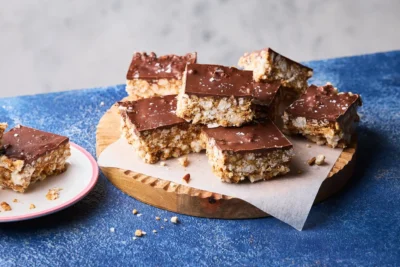
Ultimate Mars Bar Traybake Guide: Classic & Creative Variations

Lemon Drizzle Cake: Gluten-Free, Vegan & Low-Sugar Versions
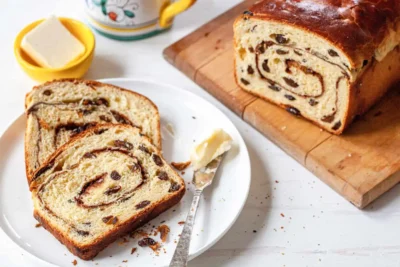
Top Bread Maker Recipes You Can Make at Home (With Your Machine!)

Modern Victoria Sponge Recipe: Flavours, Fillings and Fails to Avoid
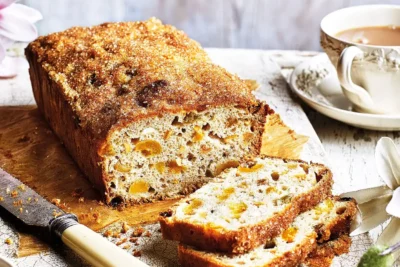
Tea Loaf Recipe: The Ultimate Guide to Britain’s Classic Fruity Bread in 3-Steps
Go up
Leave a Reply