Mutton Chops: The Complete Guide to Buying, Cooking and Eating Them

For most of the 20th century, the mutton chop was quietly forgotten — edged out of butchers' windows by younger, faster-maturing lamb and dismissed by a generation of home cooks who associated it with tough, grey wartime cooking. That reputation was always unfair, and increasingly it is being corrected. Today, mutton chops are finding their way back onto the menus of serious restaurants and into the baskets of discerning home cooks who have discovered what Victorian chophouses always knew: that a properly cooked mutton chop is one of the finest, most flavourful pieces of meat on the British table.
This is the guide we wish had existed sooner — covering everything from what a mutton chop actually is, to how it compares with lamb, the main cuts worth knowing, where to source quality mutton in the UK, and four reliable ways to cook it to its best advantage.
What Is a Mutton Chop?
A mutton chop is a cut of meat taken from a sheep that is at least two years old — in contrast to lamb, which comes from animals slaughtered before 12 months of age, and hogget, which falls in between at one to two years. The "chop" refers to a cross-cut section of the animal, typically taken from the loin, saddle, or shoulder, leaving a section of bone attached. That bone is not incidental: it contributes significantly to both flavour and moisture during cooking.
What sets mutton chops apart from their younger equivalents is the depth and complexity of the flavour. An older sheep has had more time to develop intramuscular fat, to accumulate the volatile aromatic compounds from its diet of diverse pasture grasses, herbs and wildflowers, and to build the collagen structures in its connective tissue that — with the right cooking — break down into extraordinary richness and body. Mutton chops were a household staple for hundreds of years, considered superior in texture and flavour to lamb — it was only changes in farming and cooking that led to mutton's decline and near disappearance from British shops and restaurants over the last 50 years.
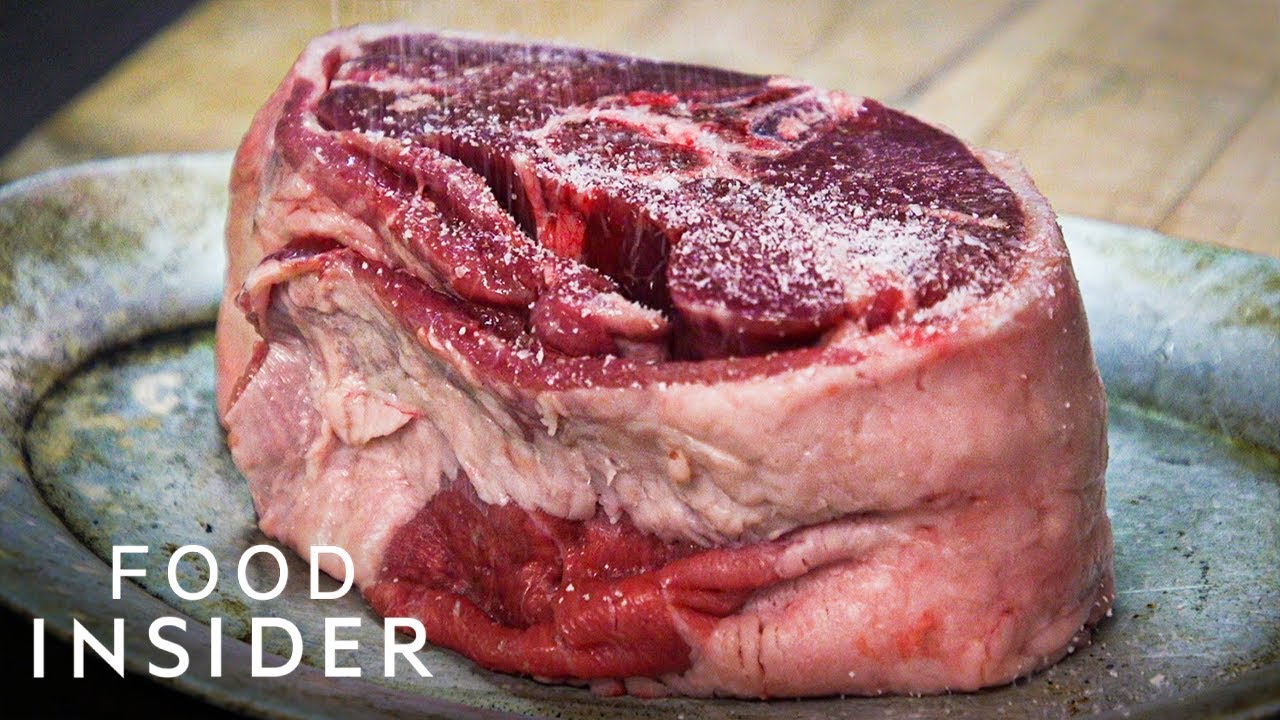
Mutton vs Lamb: What Is the Real Difference?
The distinction between mutton and lamb is primarily one of age, and age shapes almost everything about the eating quality of sheep meat.
| Category | Lamb | Hogget | Mutton |
|---|---|---|---|
| Age at slaughter | Under 12 months | 12–24 months | Over 2 years |
| Meat colour | Pale pink | Deep pink to light red | Deep red |
| Flavour intensity | Mild, delicate | Medium, developing | Bold, complex, full |
| Fat | Light, creamy | Moderate | Rich, unctuous |
| Best cooking method | Fast — grill or roast | Fast or slow | Slow or rested fast cook |
| Typical price (chops) | £12–18/kg | £10–16/kg | £8–14/kg |
Flavour is the critical dimension. Lamb is mild and forgiving — a beautiful ingredient, but one that asks relatively little of the cook. Mutton demands more: more time, more seasoning consideration, more attention to resting — but it rewards that attention with a depth that lamb simply cannot match. Think of the relationship between veal and beef: the older animal is not inferior, it is different, and for many dishes it is decisively superior.
The comparison extends to sustainability, too. Mutton typically comes from breeding ewes that have completed their productive lives on the farm. Choosing mutton over lamb uses the whole animal across its lifespan, supports traditional mixed farming, and often costs less per kilo — making it one of the few premium flavour upgrades that is also the more responsible choice.
The Main Cuts of Mutton Chop
Not all mutton chops are the same, and knowing your cuts makes a significant difference to how you cook and what you pay.
Loin Chop
The loin chop is the most widely available and recognisable mutton chop — equivalent to a sirloin steak in beef. The origin of the mutton loin chop goes back to the 17th century, when London chop houses began cooking individual cuts of meat. Cut from the lower back of the animal between the rib section and the rump, loin chops are tender, well-marbled, and suited to both pan-frying and grilling. The bone runs through the centre, which is ideal for keeping the meat moist over high heat.
Barnsley Chop (Double Loin Chop)
A Barnsley chop is essentially a double loin chop — a cross-section cut straight through the saddle of the animal so that you have a symmetrical chop with meat on both sides of a central backbone. It is a substantial, dramatic cut that presents beautifully on the plate and is particularly well suited to oven-roasting after a hard initial sear in a cast-iron pan. Named after the Yorkshire town, it has deep roots in Northern English cooking and is one of the most satisfying ways to eat mutton.
Shoulder Chop
Shoulder chops are cut from the front leg of the animal and contain more connective tissue than loin chops, which means they benefit considerably from slower, lower cooking. The trade-off is extraordinary flavour — the shoulder is one of the most worked muscles on the animal, which translates directly into depth and complexity in the finished dish. Shoulder chops are typically cheaper than loin chops and are the natural choice for braises, slow-cooker dishes, and spiced preparations.
Best End / Rack Cutlets
Mutton front chops — also known as best-end cutlets — are prepared from the first eight ribs nearest the head, the same ribs that form a beautiful rack of mutton. These are arguably the most elegant of all mutton cuts: fine-grained, tender, and with a delicate layer of fat that renders beautifully during cooking. They are less common than loin chops and worth seeking out from a specialist butcher.
How to Buy Mutton Chops in the UK
Finding quality mutton chops takes a little more effort than picking up lamb from the supermarket, but the suppliers are excellent and the quality is often outstanding.
Specialist online butchers are currently the most reliable source. Swaledale Butchers in Yorkshire sources heritage breed mutton raised on the grasslands of the Yorkshire Dales and naturally matured over two years — grass-fed mutton at its best. The Dorset Meat Company and Farmison & Co also offer excellent selections of grass-fed, native-breed mutton, delivered vacuum-packed and fresh. For those who prefer to buy in person, an independent high-street butcher — particularly in the north of England, Wales, and Scotland, where sheep farming remains central to agricultural life — is often the best option. Do not be afraid to ask: a good butcher will always have mutton available to order if they do not have it on the counter.
What to look for: Quality mutton chops should be deep red in colour — significantly darker than lamb. The fat should be a creamy off-white, firm and well-distributed. Avoid chops with a dull brown tinge to the flesh or a yellowish, waxy fat, both of which indicate age or poor handling. The meat should smell clean and grassy, not sour. If buying online, check that the supplier specifies the breed, region, and rearing method — those details are the mark of a producer confident in their product.
How to Cook Mutton Chops: Four Methods
1. Pan-Fried with Devilled Sauce — The Victorian Classic
This is the original mutton chop preparation, perfected in the chophouses of Georgian and Victorian London. Pat loin chops dry, season generously with flaky sea salt and cracked black pepper, and bring to room temperature for 30 minutes before cooking. Heat a heavy cast-iron pan over a moderate heat — not screaming hot — and add a knob of dripping or beef tallow. Lay the chops in and render the fat edge first for 3–4 minutes before cooking the flat sides: 4–5 minutes per side for medium, longer for well done. Rest for at least 5 minutes before serving.
The devilled sauce — a sharp, spiced condiment made from Worcestershire sauce, mustard, cayenne, and a little butter — is the traditional accompaniment and cuts brilliantly through the richness of the fat. A spoonful of our peppercorn sauce works equally well for a more contemporary finish.
2. Grilled Over High Heat
Mutton chops are ideal for grilling over coals, where the fat renders beautifully and the full character of the meat shines through. If using a charcoal barbecue, get a strong, even heat before the chops go on. The goal is controlled, rapid fat rendering — you want the fat to liquefy and baste the meat rather than flare up and char it. A simple marinade of olive oil, garlic, lemon zest, and fresh rosemary for a few hours before cooking is all that is needed. Grill 5–6 minutes per side for medium, resting for 5 minutes off the heat before serving.
For a more adventurous approach, a yoghurt and spice marinade — cumin, coriander, smoked paprika, a pinch of chilli — transforms mutton chops into something closer to a Central Asian shashlik, a preparation that suits the richness of the meat extraordinarily well.
3. Slow-Cooked Shoulder Chops
Shoulder chops respond magnificently to slow, low cooking. Brown them hard in a hot pan with a little fat, then transfer to a casserole with onions, whole garlic cloves, a few anchovies (which melt invisibly into the sauce and add profound savouriness), bay leaves, a glass of red wine, and enough stock to come halfway up the meat. Cover and cook at 150°C for 2.5–3 hours until the meat is completely tender and yielding. This method turns the collagen in the shoulder into a rich, silky, naturally thickened sauce that requires nothing more than a final seasoning adjustment.
The result pairs beautifully with dauphinoise potatoes or mashed root vegetables. For a distinctly British take, serve alongside our creamy parsley sauce — the herbaceous freshness of the parsley cuts through the richness of the braising liquor in a way that feels entirely right.
4. Oven-Roasted Barnsley Chop
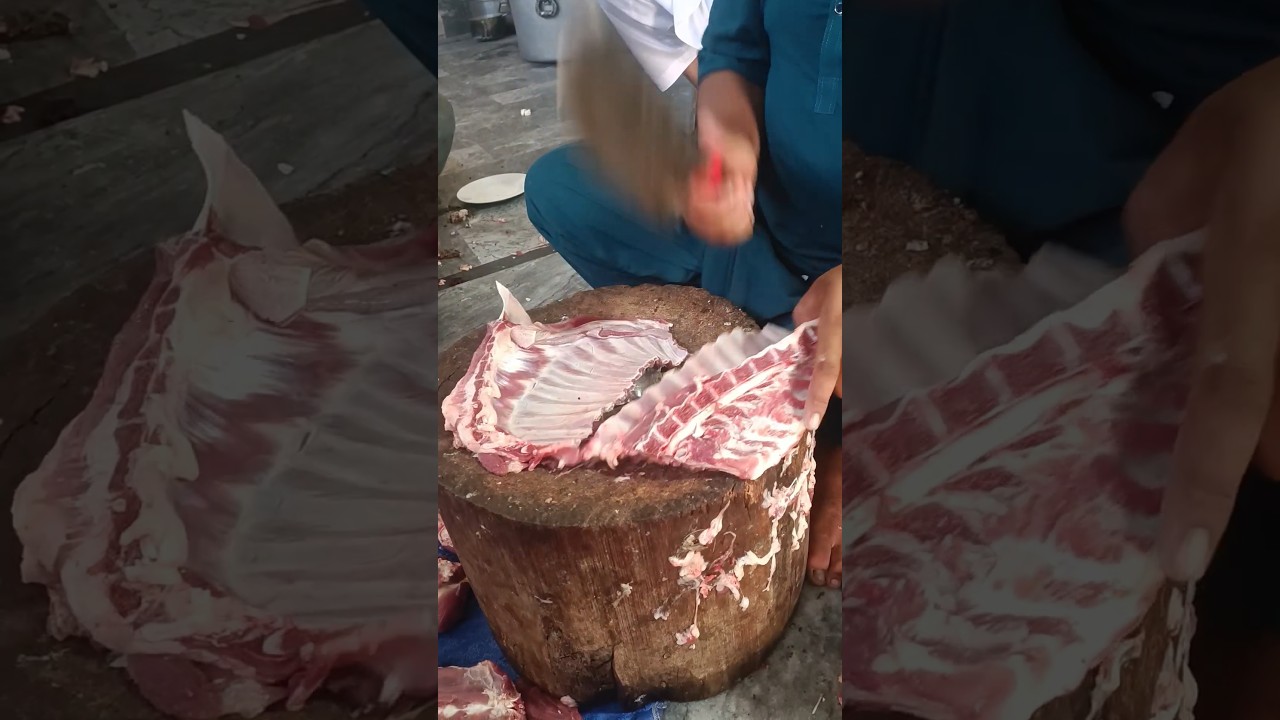
The Barnsley chop is best cooked with a combination of methods: sear hard in a cast-iron pan with butter, garlic, and thyme until deeply caramelised on both sides (3–4 minutes per side), then transfer to an oven preheated to 180°C for a further 10–12 minutes. This gives you a beautifully crusted exterior and a pink, rested centre. Deglaze the pan with a small glass of white wine and a splash of chicken stock, reducing to a glossy jus to serve alongside.
The single most important tip for cooking mutton chops: rest them properly. Mutton has more intramuscular fat than lamb, and that fat needs time to redistribute after the heat of cooking. A minimum of 5 minutes resting on a warm plate, loosely tented with foil, transforms a good chop into a great one. Skipping this step is the most common mistake home cooks make with any quality chop.
What to Serve with Mutton Chops
The richness and assertiveness of mutton chops call for accompaniments with enough character to hold their own. Classic British pairings — mint sauce, redcurrant jelly, caperberries — exist for good reason: their acidity and freshness provide essential contrast. For something more substantial, buttered mashed potato, roasted root vegetables, or a simple watercress salad dressed with lemon and olive oil all work well. For a thoroughly British pub-style dinner, consider pairing with a pint of good cask ale — a malty, lightly hopped bitter is the ideal foil for the depth of the meat.
For more ideas on what works alongside rich, slow-cooked British meat dishes, our pub grub recipes hub and our overview of Britain's best comfort food recipes are both worth exploring. And for those interested in the broader story of mutton's place in British culinary history, our piece on the environmental advantages of choosing hogget offers fascinating context on how age of animal shapes both flavour and sustainability.
Mutton also has strong affinities with spice. The bold, fatty character of the meat stands up to the heat of devilled preparations, the earthiness of cumin and coriander, and the warmth of North African spice blends. For those who enjoy exploring the spiced dimensions of British cooking, our guide to cooking bone-in cuts to perfection covers the technique fundamentals that apply equally to mutton.
What is a mutton chop?
A mutton chop is a bone-in cut of meat taken from a sheep that is at least two years old, typically sliced from the loin, saddle, or shoulder. It is richer, darker, and more intensely flavoured than lamb chops due to the greater age and maturity of the animal.
What is the difference between a mutton chop and a lamb chop?
The key difference is age: lamb is slaughtered before 12 months, mutton at over two years. Mutton chops are darker in colour, higher in intramuscular fat, more intensely flavoured, and generally better suited to slow cooking or careful, rested fast cooking than the more delicate lamb chop.
Are mutton chops tough?
Only if cooked incorrectly. Loin chops and rack cutlets are naturally tender and suit quick cooking over high heat. Shoulder chops contain more connective tissue and reward slow, low cooking, which converts that collagen into rich, silky tenderness. Resting the meat properly after cooking is essential regardless of method.
Where can I buy mutton chops in the UK?
Quality mutton chops are available from specialist online butchers such as Swaledale Butchers, The Dorset Meat Company, and Farmison & Co. Independent high-street butchers, particularly in northern England, Wales, and Scotland, can also source mutton to order. Supermarkets rarely carry it.
How long should you cook mutton chops?
Loin chops cooked in a hot pan need approximately 4–5 minutes per side for medium, followed by at least 5 minutes resting. Shoulder chops braised in a casserole typically need 2.5–3 hours at 150°C to become fully tender. Grilled chops over charcoal take around 5–6 minutes per side depending on thickness.
Is mutton chop more sustainable than lamb chop?
Generally yes. Mutton typically comes from mature ewes that have completed their productive breeding lives on the farm, meaning the animal has lived a full life before slaughter. Choosing mutton supports whole-carcass, low-waste farming and is often associated with traditional, grass-fed, low-intensity British farming practices.
What sauce goes best with mutton chops?
Classic British accompaniments include mint sauce, redcurrant jelly, and devilled sauce — all of which provide sharpness and acidity to balance the richness of the meat. A peppercorn sauce, a simple jus, or a parsley butter are excellent more contemporary options. The key is contrast: mutton is rich and bold, so the sauce should be bright and punchy.
Leave a Reply