Mary Berry's Mince Pies: The Complete Guide to a Perfect Christmas Classic
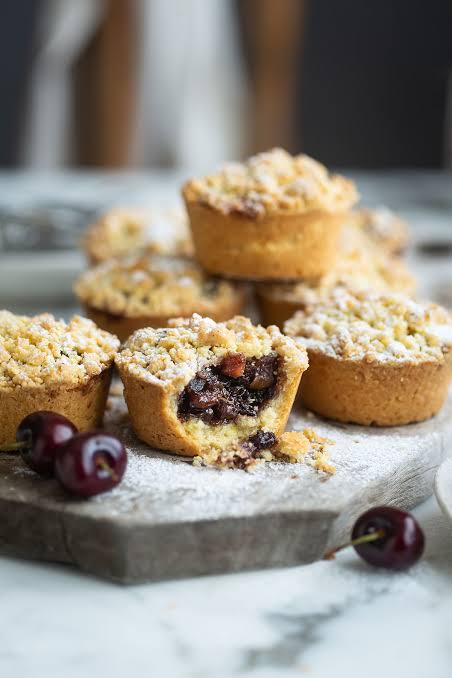
No British Christmas table feels complete without a plate of mince pies: small, sweet pastries filled with spiced dried fruit, dusted with icing sugar, and — ideally — still slightly warm from the oven. The name is a historical leftover rather than a literal description; there hasn't been any actual meat in a mince pie for well over a century.
Why are they called "mince" pies if there's no meat?
Mince pies genuinely did contain minced meat originally, dating back to medieval times, when spiced, dried-fruit-and-meat mixtures were used both to preserve meat and to display the wealth and exotic spices a household could afford. Over the 18th and 19th centuries, the meat content gradually diminished and eventually disappeared from most recipes, leaving behind "mincemeat" — the name stuck even though the ingredient list changed completely, now referring to the mixture of dried fruit, suet or butter, spices and alcohol that fills the pies today.
What goes into good mincemeat
Traditional mincemeat combines dried fruits (currants, raisins, sultanas), candied peel, apple, suet or butter, brown sugar, mixed spice, and often a good measure of brandy or rum, all left to macerate so the flavours meld and deepen — homemade mincemeat genuinely improves with a few weeks' maturing time, though good-quality shop-bought mincemeat, given a splash of extra brandy stirred through, is a perfectly respectable shortcut most bakers use without guilt.
Ingredients (makes about 24 pies)
For the pastry
- 350g plain flour
- 250g cold unsalted butter, cubed
- 100g icing sugar
- 1 egg, beaten
- Zest of 1 orange (optional)
For the filling
- 600g mincemeat (shop-bought or homemade)
- 2 tbsp brandy or rum (optional, for extra depth)
- 1 egg, beaten, for glazing
- Icing sugar, for dusting
Method
1. Make the pastry
Rub the butter into the flour and icing sugar until the mixture resembles fine breadcrumbs, or pulse briefly in a food processor. Add the orange zest if using, then bring together with the beaten egg (adding a splash of cold water only if needed) into a smooth dough without overworking it. Wrap and chill for at least 30 minutes.
2. Stir the mincemeat
If adding extra brandy or rum, stir it through the mincemeat now so it has a little time to be absorbed before baking.
3. Line the tins
Roll out the pastry to about 3mm thick. Cut circles slightly larger than the holes of a muffin or mince pie tin and press gently into each hole. Fill each with a heaped teaspoon of mincemeat — don't overfill, or it will bubble over and burn during baking.
4. Top and bake
Cut smaller circles or star shapes from the remaining pastry for the lids (stars are traditional and don't need sealing to the base as tightly as a full lid does). Place on top of the filling, brush with beaten egg, and bake at 200°C (180°C fan) for 15-20 minutes until golden. Cool in the tin for 5 minutes before transferring to a wire rack, then dust generously with icing sugar once fully cool.
Mary Berry's Mince Pies
Ingredients
Method
- Rub the butter into the flour and icing sugar until it resembles fine breadcrumbs. Bring together with the beaten egg and orange zest. Wrap and chill for at least 30 minutes.
- Stir the brandy or rum through the mincemeat if using.
- Roll out the pastry to 3mm thick, cut circles and press into a muffin tin. Fill each with a heaped teaspoon of mincemeat.
- Cut star lids from the remaining pastry, place on top, brush with beaten egg, and bake at 200°C (180°C fan) for 15-20 minutes until golden. Cool then dust with icing sugar.
Troubleshooting: why does my mincemeat leak everywhere?
Overfilling is the most common cause — a heaped teaspoon is genuinely enough; more than that and the mincemeat expands and bubbles over the pastry edges as it heats. A star-shaped lid, rather than a full sealed disc, also helps by giving the steam and any bubbling filling somewhere to escape rather than forcing its way out through the sides.
Variations
Add a layer of marzipan or frangipane beneath the mincemeat for a richer, almondy version. A splash of orange zest in both the pastry and the mincemeat brightens the whole pie considerably. For a shortcut version, use ready-rolled pastry and simply focus your effort on the mincemeat itself.
Make ahead, storing and freezing
Mince pies are genuinely one of the best make-ahead Christmas bakes: baked pies keep in an airtight tin for up to a week, and freeze beautifully — baked or unbaked — for up to 3 months. Reheat baked pies briefly in a low oven to freshen them up before serving, or bake unbaked frozen pies directly from frozen, adding a few extra minutes to the cooking time.
Serving suggestions
Serve warm with a spoonful of brandy butter, clotted cream, or simply on their own with a cup of tea — genuinely one of the few desserts that doesn't need any accompaniment at all to feel complete.
For more background, see mince pies on Wikipedia. If you enjoyed this recipe, you might also like our Mary Berry brownies recipe.
Frequently asked questions
Can I use shop-bought mincemeat and still get good results?
Absolutely — most bakers use it, often stirring through a little extra brandy, orange zest or a chopped apple to add a homemade touch without making mincemeat entirely from scratch.
Why has my pastry gone soggy on the bottom?
Usually from overfilling, which lets moisture from the mincemeat soak into the base pastry during baking; sticking to a heaped teaspoon per pie largely prevents this.
How far in advance can I make mince pies for Christmas?
Baked pies freeze well up to 3 months ahead — make a batch in November, freeze, and simply reheat from frozen closer to Christmas for pies that taste freshly baked.
Mince pies are one of the few British bakes where tradition and convenience genuinely coexist without conflict — even a shortcut version, done thoughtfully, earns its place on the Christmas table.
Leave a Reply