Apple Pie: The Complete Guide to a Classic British Bake
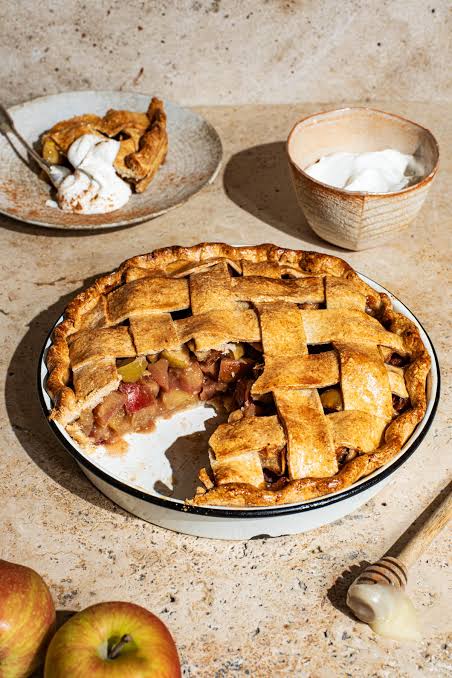
Apple pie occupies a strange cultural position in Britain: often assumed to be American, it's actually been baked in England since medieval times, long before apple pie became a symbol of the United States. A proper British apple pie — buttery shortcrust, tart cooking apples, a hint of warm spice — is one of the great simple pleasures of home baking.
A brief history
Apple pie recipes appear in English cookbooks dating back to the 14th century, including in "The Forme of Cury," a collection of recipes compiled for the court of Richard II, which included a version made with figs, raisins and pears alongside apples, wrapped in a pastry "coffin" that wasn't originally intended to be eaten — early pastry cases were often a cooking vessel rather than part of the dish. The apple pie as we'd recognise it today, with a tender, edible shortcrust and a simpler, sweetened apple filling, developed over subsequent centuries as sugar became more widely available and pastry techniques improved.
Choosing the right apples
This is the single decision that most affects the final pie. Bramley apples are the classic British choice for a reason: they're tart, high in acidity, and — crucially — they break down into a soft, almost fluffy texture when cooked, which is exactly what you want in a pie filling. Eating apples like Braeburn or Gala hold their shape better but taste noticeably sweeter and less complex; many bakers use a mix of the two, Bramley for body and flavour, a firmer eating apple for texture and a bit of bite in the finished pie.
Ingredients (serves 8)
For the pastry
- 350g plain flour, plus extra for dusting
- 175g cold unsalted butter, cubed
- 1 tbsp caster sugar
- Pinch of salt
- 1 egg yolk
- 3-4 tbsp cold water
For the filling
- 1kg Bramley apples (or a mix with a firmer eating apple), peeled, cored and sliced
- 100g caster sugar, plus extra for topping
- 1 tsp ground cinnamon
- Zest of 1 lemon
- 2 tbsp plain flour or cornflour (to thicken the juices)
- 25g butter, diced
- 1 egg, beaten, for glazing
Method
1. Make the pastry
Rub the butter into the flour, sugar and salt until the mixture resembles breadcrumbs (or pulse briefly in a food processor). Mix in the egg yolk and enough cold water to bring it together into a dough without overworking it. Wrap and chill for at least 30 minutes.
2. Prepare the filling
Toss the sliced apples with the sugar, cinnamon, lemon zest and flour until evenly coated — the flour is what thickens the juices released during baking, preventing a watery filling.
3. Assemble
Roll out just over half the pastry and line a 23cm pie dish, leaving an overhang. Pile in the apple filling, dot with the diced butter, then roll out the remaining pastry for the lid. Brush the pastry rim with water, lay over the lid, trim and crimp the edges to seal, and cut a few steam vents in the top.
4. Bake
Brush the top with beaten egg and sprinkle with caster sugar. Bake at 200°C (180°C fan) for 20 minutes, then reduce to 180°C (160°C fan) and bake for a further 25-30 minutes until deep golden and the filling is bubbling through the vents. Cover the edges with foil if they brown too quickly.
Apple Pie
Ingredients
Method
- Rub the butter into the flour, sugar and salt until it resembles breadcrumbs. Mix in the egg yolk and enough cold water to bring together into a dough. Wrap and chill for at least 30 minutes.
- Toss the sliced apples with sugar, cinnamon, lemon zest and flour until evenly coated.
- Roll out just over half the pastry and line a 23cm pie dish. Pile in the filling, dot with butter, top with the remaining pastry, trim and crimp the edges, and cut steam vents.
- Brush with beaten egg, sprinkle with sugar, and bake at 200°C (180°C fan) for 20 minutes, then reduce to 180°C (160°C fan) for a further 25-30 minutes until golden and bubbling.
Troubleshooting: soggy bottom and watery filling
A soggy base usually comes from a filling that's too wet meeting pastry that hasn't had a head start in the oven. Baking the pie on a preheated baking tray placed in the oven (so the base gets direct bottom heat from the moment it goes in) makes a noticeable difference, as does making sure the apples are properly coated in flour before assembly rather than added wet.
Variations
A lattice top instead of a full lid looks striking and lets more steam escape. Adding a handful of sultanas or a splash of Calvados to the filling gives extra depth. For a crumble-top hybrid, swap the pastry lid for a buttery crumble mixture instead — same filling, different finish.
Make ahead, storing and freezing
The pastry can be made up to 2 days ahead and kept chilled, or frozen for up to 3 months. The assembled, unbaked pie also freezes well — freeze solid, then bake from frozen, adding roughly 15-20 extra minutes and checking the filling is piping hot in the centre. Once baked, the pie keeps at room temperature for a day or refrigerated for up to 3 days.
Serving suggestions
Classically served warm with custard, though thick cream, vanilla ice cream or a wedge of mature cheddar (a genuinely traditional Yorkshire pairing) are all well-established alternatives.
For more background, see apple pie on Wikipedia. If you enjoyed this recipe, you might also like our modern Victoria sponge recipe.
Frequently asked questions
Why did my pastry shrink in the oven?
Usually from being stretched too much when lining the dish, or not being chilled long enough before baking — both cause the gluten to contract as it heats. Chill the assembled, unbaked pie for 15-20 minutes before it goes in the oven if time allows.
Can I use only eating apples instead of Bramleys?
You can, but the filling will hold its shape more and taste sweeter and less tart; consider reducing the added sugar slightly and adding a touch more lemon juice to compensate.
Do I need to pre-cook the apples before filling the pie?
No — raw sliced apples, properly coated in flour and sugar, cook through fully during the pie's baking time; pre-cooking risks an overly soft, mushy filling.
A well-made apple pie is deceptively simple: good pastry technique, the right apples, and a filling that isn't rushed or drowned in liquid — everything else is just tradition doing the rest of the work.
Leave a Reply