Gravy Recipe: Rich, Glossy Gravy for Any Roast Dinner
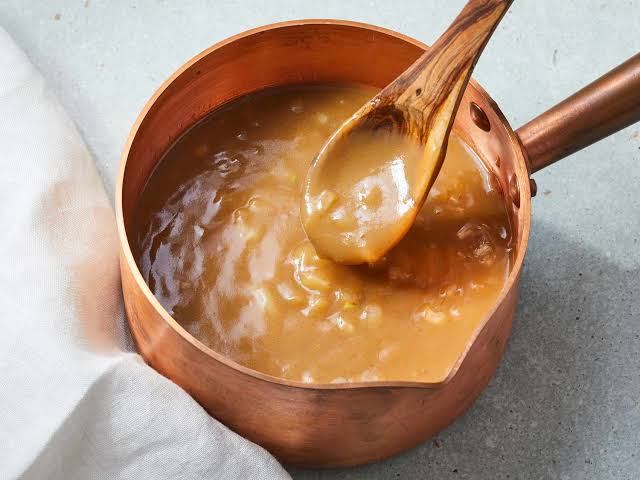
A reliable gravy recipe is the difference between a good roast dinner and a great one. A glossy, deeply savoury gravy ties the meat, potatoes and vegetables together, and the best versions are surprisingly simple to make from the juices left in the roasting tin.
This gravy recipe shows you how to build flavour from the pan juices, thicken the sauce without lumps and fix it when it is too thin or too salty. It works with beef, chicken, lamb and pork, and you will find a vegetarian version below. For the rest of the plate, try our Yorkshire pudding recipe.
Contents
What is gravy?
Gravy is a sauce made from the juices of cooked meat, usually thickened with flour or cornflour and loosened with stock. It is a cornerstone of British cooking, served with roasts, pies, sausages and mash and, of course, the Sunday lunch. There is a short overview of the sauce on Wikipedia.
Good gravy is not complicated, but it does reward a little care. The flavour comes from the browned bits on the base of the tin, from a good stock and from proper seasoning at the end.
Ingredients and method for a gravy recipe
This makes about 600ml, enough for six people. Use the juices from whichever meat you are roasting, and use a stock of the same type for the best flavour.
Roast Dinner Gravy
Ingredients
Method
- Pour off all but two tablespoons of fat and juices from the roasting tin and set it over a medium heat.
- Sprinkle in the flour and stir for 1 to 2 minutes, scraping up the browned bits, until it forms a nutty paste.
- Pour in the wine, if using, and let it bubble for a minute.
- Gradually whisk in the hot stock, a little at a time, until smooth.
- Add the Worcestershire sauce and redcurrant jelly, bring to a simmer and cook for 5 to 8 minutes until glossy and slightly thickened.
- Season to taste, strain if you like a smooth gravy and serve hot.
Taste the gravy before you add any extra salt. Stock and pan juices can already be salty, and it is easy to correct a bland gravy but difficult to rescue an over-seasoned one.
Choosing the stock
The stock is the backbone of the gravy, so a good one makes a big difference.
- Homemade stock: the best option, made from roast bones and vegetables. It gives body and flavour.
- Fresh stock: the chilled pots from the supermarket are a good second best.
- Stock cubes or granules: fine when you are in a hurry. Use less than the packet suggests, since they are salty.
- Vegetable cooking water: the water from boiled vegetables adds a mild, sweet flavour and is traditional in many households.
Always add the stock hot. Cold stock cools the pan and makes it harder to get a smooth result.
How to make gravy without lumps
Lumpy gravy is the most common complaint, and this gravy recipe avoids it. The secret is to cook the flour in the fat first and to add the stock a little at a time.
- Pour off all but two tablespoons of fat and juices from the roasting tin and place it over a medium heat.
- Sprinkle in the flour and stir for one to two minutes, scraping up the browned bits, until it forms a paste.
- Add a splash of hot stock and whisk vigorously to make a smooth, thick paste.
- Gradually whisk in the rest of the stock, then bring to a simmer.
- Cook for five to eight minutes until the gravy is glossy and coats the back of a spoon.
How to thicken or thin gravy
Every gravy recipe benefits from a little adjustment at the end. Gravy continues to thicken as it cools, so aim for a texture slightly thinner than you would like.
- Too thin: simmer for a few more minutes, or whisk in a teaspoon of cornflour mixed with a little cold water.
- Too thick: stir in a splash of hot stock or water until it flows.
- Lumpy: pour through a fine sieve into a clean jug, then whisk in a splash of stock.
- Too salty: add a splash of unsalted stock, or a little more water and a pinch of sugar.
Ways to add flavour to your gravy
Once you have a good base, small additions can lift any gravy recipe.
- A splash of red wine, cider or sherry, simmered in the tin to deglaze.
- A teaspoon of redcurrant jelly for a gentle sweetness that suits lamb and pork.
- A dash of Worcestershire sauce or soy sauce for savoury depth.
- A small spoonful of English mustard for warmth.
- A sprig of thyme or rosemary, simmered in the gravy and removed before serving.
Vegetarian gravy recipe
You can make a rich gravy without meat by using onions, mushrooms and a good vegetable stock. Soften two sliced onions and a handful of mushrooms in oil until deeply browned, stir in the flour, then add 500ml of hot vegetable stock, a spoonful of soy sauce and a teaspoon of yeast extract. Simmer for 10 minutes and strain if you prefer a smooth sauce.
Making gravy ahead of time
This gravy recipe can be made a day or two before a big meal, which is a lifesaver on Christmas Day. Roast chicken wings or turkey necks with an onion until deeply golden, simmer with stock for an hour, strain and thicken. Reheat gently and add the juices from the roast just before serving for extra flavour.
Storing and reheating
Cool the gravy from this gravy recipe quickly and store it in the fridge for up to three days. Reheat it in a pan until it is piping hot, whisking to remove any skin. You can freeze gravy in portions for up to three months. Defrost in the fridge overnight and bring it to a simmer before serving.
Gravy recipe FAQs
Can I make gravy without meat juices?
Yes. Use butter or oil instead of the juices, and a good stock. The flavour will be a little lighter, so add a dash of soy sauce or Worcestershire sauce for depth.
What can I use instead of flour?
Cornflour is a good gluten-free alternative. Mix one tablespoon with a little cold water and stir it into the simmering gravy.
Why is my gravy bland?
It probably needs more seasoning, or a stronger stock. Try a splash of soy sauce, a spoonful of redcurrant jelly or a pinch of salt.
Why is my gravy pale?
The flour was not cooked long enough, or the pan juices were not browned. Cook the flour until it turns a nutty brown colour.
How much gravy do I need per person?
Allow about 100ml per person, or a little more if your guests like it generously poured.
A good gravy recipe is one you can rely on week after week. Master the roux, season carefully and you will never look at a jar of granules again.
Leave a Reply