Jellied Eels: The Ultimate Guide to Britain's Most Iconic Street Food
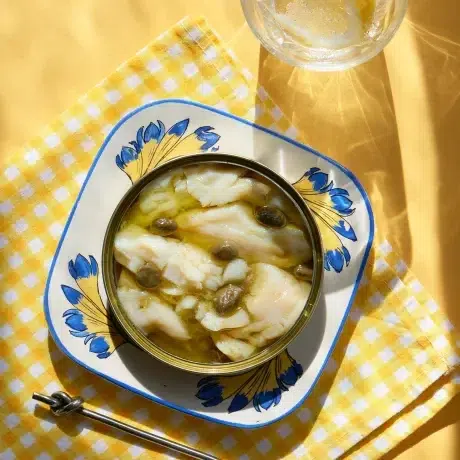
Few dishes in British culinary history provoke such extreme reactions as jellied eels. To some, they are the taste of working-class London at its most authentic — a cold, wobbly bowl of history served on a paper plate with a shake of malt vinegar. To others, they remain the ultimate food dare. But whether you are a devoted fan or a curious first-timer, there is no denying that jellied eels are one of the most fascinating, culturally loaded, and genuinely delicious dishes this country has ever produced.
In this guide, we explore everything you need to know: where jellied eels come from, how they are prepared, what they actually taste like, where to find them today, and why they deserve a place in any serious food lover's life.
What Are Jellied Eels?
At their most basic, jellied eels are chunks of eel — traditionally the European eel, Anguilla anguilla — cooked in a spiced court-bouillon, then allowed to cool until the natural gelatin in the eel's skin and bones sets the cooking liquor into a loose, savoury jelly. The result is a cold dish served in a bowl or tub, typically accompanied by malt vinegar, white pepper, and a slice of bread — or, if you are doing it properly, alongside a pie and liquor at one of London's legendary eel, pie and mash shops.
The dish is served cold and unadorned. There are no sauces to hide behind, no garnishes to prettify it. That directness is part of its character, and part of what makes it polarising.
The History of Jellied Eels — A Deep East End Legacy
The story of jellied eels is inseparable from the history of London's East End. From the 17th century through to the mid-20th century, the Thames was teeming with eels, and they became a cornerstone of working-class nutrition. Eels were cheap, plentiful, and packed with protein — qualities that made them essential to communities in Whitechapel, Bethnal Green, Bow, and beyond.
Street vendors known as eel stalls began appearing across London, particularly at markets and busy street corners. The cold preparation — made possible by the eel's naturally gelatinous flesh — meant the dish could be sold outdoors without refrigeration, a crucial advantage in an era before modern food storage. By the Victorian era, jellied eels were as much a part of East End identity as cockney rhyming slang and the Pearly Kings and Queens.
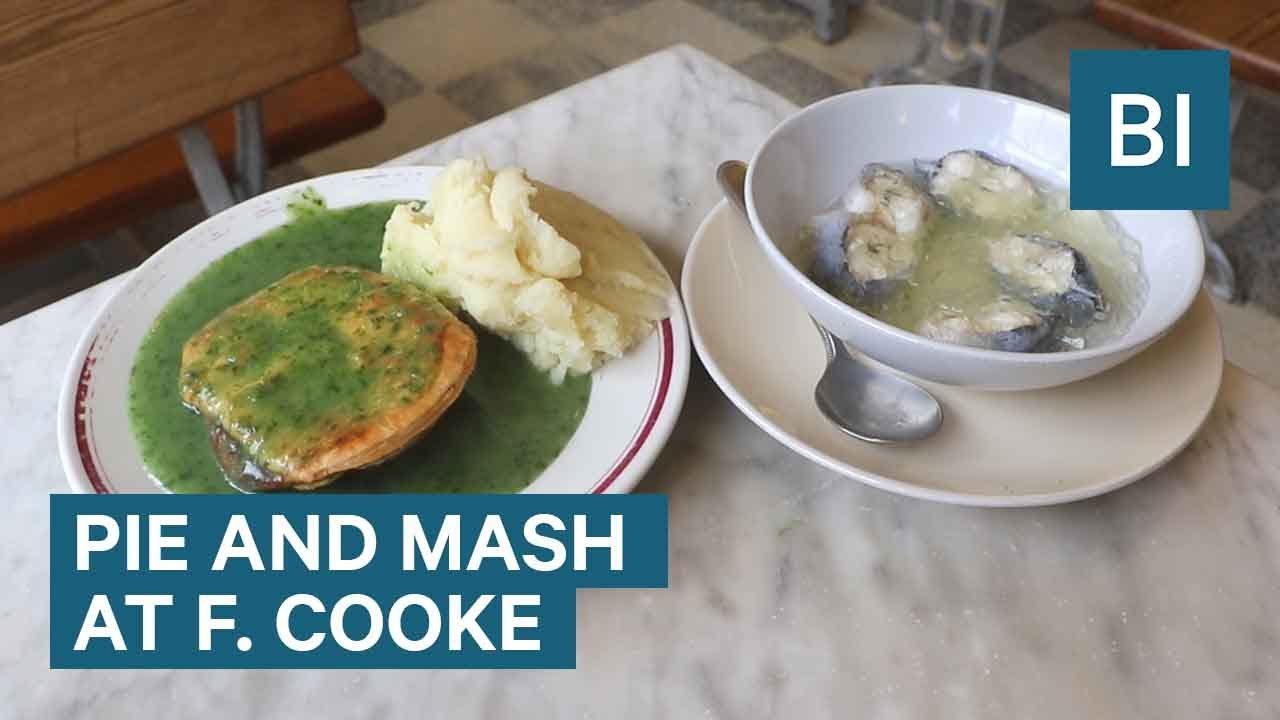
The eel, pie and mash shop emerged as the dedicated home of this tradition, a distinct London institution that combined jellied eels with hot minced meat pies and mashed potato drenched in a bright green parsley liquor. These shops — with their white-tiled walls, marble counters, and long wooden benches — became social hubs for generations of working-class Londoners. At their peak in the early 20th century, there were hundreds of such establishments across the capital.
For a deeper dive into another quintessential British comfort food with similar working-class roots, see our guide to mince and tatties — Scottish comfort food, which shares that same spirit of honest, sustaining cooking.
How Are Jellied Eels Made?
The Traditional Method
Making jellied eels at home is simpler than most people imagine. The eels are cleaned, skinned, and cut into sections — typically around 5cm pieces. They are then simmered gently in water with aromatics such as bay leaves, whole peppercorns, salt, and occasionally a splash of white wine vinegar or fresh lemon juice. The cook time is relatively short, around 20–30 minutes, as eel cooks quickly and can turn rubbery if overdone.
Once cooked, the eel pieces are placed in bowls or terrine dishes. The cooking liquor is strained and poured over the top. As it cools — traditionally overnight in the refrigerator — the gelatin naturally present in the eel's collagen sets the liquid into a wobbling, unctuous jelly. No gelatine powder required. No thickening agents. Just the honest alchemy of good cooking.
What Do Jellied Eels Taste Like?
The flavour of jellied eels is mild, savoury, and faintly oceanic — less intensely "fishy" than many people expect. The texture is where most first-timers hesitate: the jelly is soft and slightly slippery, the eel itself is firm but yielding, and the combination of cold temperature and gelatinous coating creates a sensation unlike almost anything else in British cuisine. A generous shake of malt vinegar cuts through the richness beautifully, bringing brightness and sharpness to every mouthful.
Think of it less like eating raw shellfish and more like eating a very refined, very savoury meat in aspic. If you enjoy dishes such as our ham hock terrine, the textural logic of jellied eels will feel entirely familiar.
The Decline — and the Quiet Revival
The mid-20th century brought significant change. Post-war prosperity expanded food choices; rising living standards shifted tastes toward what was perceived as more "modern" eating. Crucially, pollution and overfishing caused European eel populations to collapse catastrophically — the species is now listed as critically endangered on the IUCN Red List. The result was that London's eel supply dried up, forcing shops to source eels from the Netherlands and elsewhere, which increased costs and reduced margins.
Today, only a handful of traditional eel, pie and mash shops remain — among them M. Manze in Bermondsey and Tower Bridge Road (established 1902), and F. Cooke in Broadway Market, Hackney. These are not tourist traps but genuine, functioning institutions that continue to serve their local communities.
At the same time, a quiet revival has emerged. Chefs with an interest in hyper-local British food — particularly within the broader movement toward sustainability and nose-to-tail eating — have revisited jellied eels as an ingredient worth celebrating rather than hiding. Modern interpretations appear occasionally on the menus of serious London restaurants, often presented with greater elegance but retaining that core identity. For more on how British classics are being reinterpreted, see our piece on British food with global roots.
Where to Eat Jellied Eels in London
If you want the authentic experience, head east. The following are your most reliable options for a genuine bowl of jellied eels in London:
- M. Manze, Bermondsey — The oldest surviving pie and mash shop in London, operating since 1902. The jellied eels here are as traditional as it gets.
- F. Cooke, Broadway Market, Hackney — A deeply atmospheric shop with loyal regulars and excellent eels.
- G. Kelly, Roman Road, Bow — Another East End survivor with generations of history behind it.
- Goddard's at Greenwich — A good option for those on the south side of the river, combining eels with excellent pies.
Beyond these classic institutions, Borough Market and Billingsgate Fish Market occasionally feature traders selling eels and related products — well worth exploring if you are building your knowledge of British seafood. For a broader look at London's finest food destinations, our guide to Michelin-star restaurants in London is essential reading.
Are Jellied Eels Nutritious?
Quite remarkably, yes. Eel is a genuinely nutritious fish: high in protein, rich in omega-3 fatty acids, and an excellent source of vitamins A, B12, and D. The cold preparation method means that none of those nutrients are degraded by prolonged heat exposure. According to the British Nutrition Foundation, oily fish like eel contributes meaningfully to a balanced diet. The jelly itself — being collagen-based — has been cited for potential joint health benefits, though the research remains preliminary.
What jellied eels are emphatically not is light on flavour. The fat content of eel gives the flesh a richness that lingers pleasantly, and that richness is precisely why malt vinegar has always been the condiment of choice — the acidity provides essential balance.
How to Eat Jellied Eels — A Beginner's Guide
If you are approaching jellied eels for the first time, a few practical tips will help enormously. Eat them cold — they are not designed to be warmed through. Season generously with malt vinegar and white pepper before your first spoonful. Use a fork or spoon; no bread is strictly required, though a thick slice of white bread to mop up the jelly at the end is very much encouraged. And approach them with curiosity rather than apprehension — the experience is far more pleasurable than the reputation suggests.
If you enjoy adventurous British seafood, you might also enjoy exploring our guide to Cullen skink — another beloved British Isles dish built around smoked fish and honest, unfussy cooking.
What exactly are jellied eels made of?
Jellied eels are made from European eel cut into sections, simmered in a spiced broth, then cooled so the natural collagen in the eel sets the cooking liquid into a savoury jelly. No artificial setting agents are used.
Are jellied eels still popular in London?
While far less common than in their Victorian and Edwardian heyday, jellied eels remain a living tradition in London's East End, where a small number of historic eel, pie and mash shops continue to serve them to loyal local customers.
What do jellied eels taste like?
Jellied eels have a mild, savoury, slightly oceanic flavour. The flesh is firm and rich, while the jelly is soft and wobbly. Malt vinegar is the traditional condiment, adding essential brightness and acidity to the dish.
Can you make jellied eels at home?
Yes — the recipe is straightforward. Eel pieces are gently poached in a seasoned broth with bay leaves and peppercorns, then cooled in the liquor until the natural gelatin sets. The main challenge is sourcing fresh eel, which is available from specialist fishmongers.
Where is the best place to eat jellied eels in London?
M. Manze in Bermondsey (established 1902) is widely regarded as the gold standard. F. Cooke in Broadway Market and G. Kelly on Roman Road are also excellent traditional choices in East London.
Are jellied eels healthy to eat?
Eel is a nutritious oily fish, high in protein, omega-3 fatty acids, and vitamins A, B12 and D. The cold preparation method preserves these nutrients well, making jellied eels a surprisingly wholesome dish despite their modest reputation.
Why are European eels now harder to source for jellied eels?
The European eel (Anguilla anguilla) is critically endangered due to a combination of overfishing, habitat loss, and pollution. This has drastically reduced wild stocks, forcing most eel shops to source eels from the Netherlands or other European suppliers at considerably higher cost.
Leave a Reply