Sweet and Sour Hong Kong Style: The Complete Guide to the Authentic Takeaway Recipe
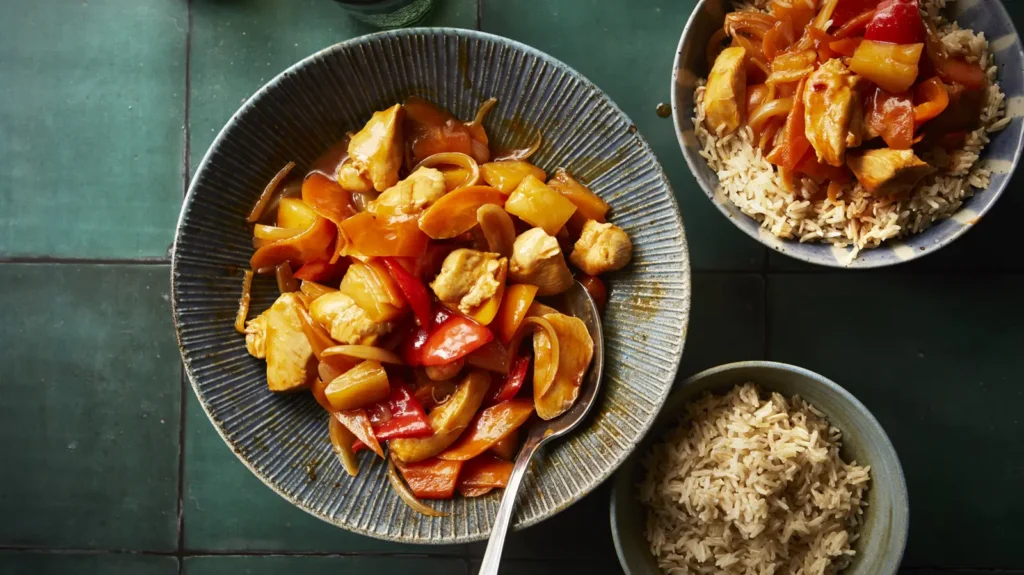
Sweet and sour Hong Kong style is the takeaway classic done right: crisp-fried meat tossed through a glossy, tangy-sweet sauce with pineapple and crunchy peppers, nothing like the gloopy, fluorescent-orange version some places serve. Made properly, it's genuinely quick — most of the work is a quick fry and a five-minute sauce.
What Makes Hong Kong Style Sweet and Sour Different?
Sweet and sour is a flavour profile enjoyed across Chinese regional cooking, but the Hong Kong takeaway style has its own signature: fresh vegetables like bell peppers and onion added right at the end so they stay crunchy, real pineapple juice and chunks for natural sweetness rather than just sugar, a light glossy sauce thickened with just a touch of cornflour, and quick high-heat wok cooking for that smoky, restaurant-style flavour.
A Short History
Sweet and sour dishes have roots in Cantonese cuisine going back centuries, built on the classic pairing of vinegar and sugar. The Hong Kong takeaway version most people know today took shape as Cantonese cooking spread internationally through the 20th century, adapting to Western tastes and kitchens while keeping its core technique: battered, fried meat tossed in a quick vinegar-and-sugar glaze.
Why Takeaway-Style Sweet and Sour Often Disappoints at Home
Homemade versions often end up either soggy or artificially sweet. Both problems have the same root causes:
- Adding the sauce too early or too much of it. The sauce should coat, not drown, the meat — toss everything together just before serving so the fried coating stays crisp rather than sitting and steaming in the sauce.
- Skipping the double-fry. A single fry gives you cooked meat, but a second, hotter fry just before saucing is what gives proper takeaway-style crunch that survives contact with the sauce.
- Using only sugar instead of real pineapple. Pineapple juice and chunks give a natural fruity sweetness and acidity that plain sugar and vinegar can't fully replicate — it's the difference between tasting balanced and tasting like ketchup.
Ingredients
For 4 servings
For the meat and batter:
- 500g pork shoulder or chicken breast, cut into bite-sized chunks
- 1 tsp salt
- 1 tsp white pepper
- 1 egg
- 3 tbsp cornflour, plus extra for coating
- Vegetable oil, for frying
For the sauce:
- 4 tbsp ketchup
- 3 tbsp rice vinegar
- 3 tbsp light soy sauce
- 2 tbsp brown sugar
- 150ml pineapple juice
- 1 tsp sesame oil
- 1 tbsp cornflour mixed with 2 tbsp water
For the stir-fry:
- 1 green bell pepper, diced
- 1 red bell pepper, diced
- 1 small onion, cut into chunks
- 150g pineapple chunks
- 1 tsp grated ginger, optional
Equipment
- Wok or deep frying pan
- Small saucepan for the sauce
- Slotted spoon
- Kitchen paper, for draining
Method
1. Prepare the meat
Season the meat with salt and pepper, then mix in the egg and cornflour until each piece is well coated. Roll each chunk in extra cornflour for a light, crispy finish.
2. Fry until golden
Heat enough oil in a wok or deep frying pan to cover the pieces. Fry the meat in small batches for 3–4 minutes until golden and cooked through. Remove and drain on kitchen paper.
3. Make the sauce
In a small saucepan, combine the ketchup, vinegar, soy sauce, sugar, pineapple juice and sesame oil. Bring to a simmer, then stir in the cornflour slurry to thicken slightly.
4. Stir-fry the vegetables
In a clean wok, stir-fry the bell peppers, onion and pineapple chunks (and ginger, if using) over high heat for 2–3 minutes, until just softened but still crunchy.
5. Combine and serve
Add the fried meat back into the wok with the vegetables, pour over the sauce, and toss until everything is coated. Serve immediately with steamed jasmine rice or fried rice.
Troubleshooting FAQ
Why did my sauce turn out too thin or too thick?
Too thin means the cornflour slurry wasn't cooked long enough to activate — simmer for another minute, stirring constantly. Too thick usually means too much slurry went in; loosen it with a splash more pineapple juice or water.
Why is my meat soggy instead of crispy?
Either the oil wasn't hot enough when frying, or the sauce was added too early and left to sit. Fry at a proper high heat and toss the meat through the sauce only right before serving.
Can I get that authentic 'wok hei' smokiness at home?
A very hot wok and short cooking time helps, but domestic hobs rarely get hot enough to fully replicate it. Get your wok smoking hot before adding the vegetables, and don't overcrowd the pan — that's the closest most home kitchens can get.
Variations
- Chicken instead of pork: Chicken breast or thigh works just as well — reduce the frying time slightly since it cooks faster.
- Vegetarian: Swap the meat for firm tofu or battered vegetables, and use a vegetarian oyster or soy-based sauce.
- Extra crispy: Double-fry the meat — once at a medium heat to cook through, then again at a higher heat just before saucing for maximum crunch.
- Less sweet: Reduce the sugar and add a touch more vinegar for a tangier, less sweet sauce.
Make Ahead and Storing
The sauce can be made up to 2 days ahead and kept in the fridge. The meat is best fried fresh, but can be fried a few hours ahead and re-crisped in a hot pan or air fryer before saucing. Leftovers keep in an airtight container in the fridge for up to 2 days — reheat in a hot wok or pan rather than the microwave to help the meat regain some crispness.
Serving Suggestions
- With egg fried rice: the savoury, fluffy rice soaks up the sauce beautifully.
- Alongside spring rolls: for a complete takeaway-style feast.
- As part of a dim sum spread: offer smaller portions alongside dumplings, buns and soups.
FAQ
Can I use chicken instead of pork?
Absolutely. Chicken breast or thigh works beautifully in this recipe — just watch the frying time, as chicken cooks slightly faster than pork shoulder.
How do I make the sauce less sweet?
Reduce the sugar and add a little more vinegar for a tangier result.
Can I make it vegetarian?
Yes — swap the meat for tofu or battered vegetables and use a vegetarian oyster or soy-based sauce.
How do I store leftovers?
Store in an airtight container in the fridge for up to 2 days. Reheat in a hot pan or wok rather than the microwave to help the coating regain some of its crispness.
Sweet and sour Hong Kong style proves a takeaway favourite can genuinely be better homemade — control the sweetness, keep the vegetables crisp, and fry properly, and you'll have a dish that beats most takeaway boxes without much more effort.
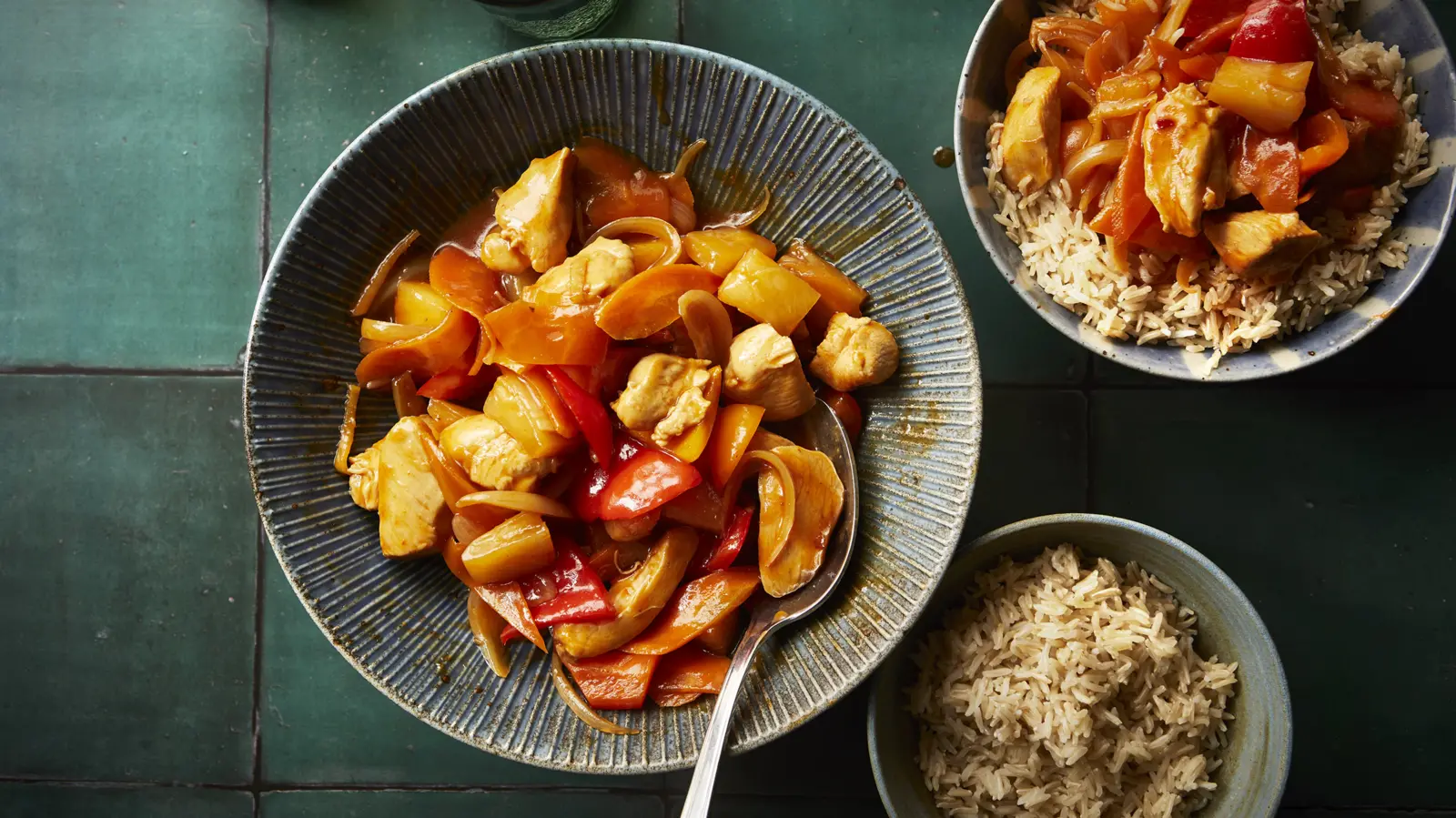
Sweet and Sour Hong Kong Style
Ingredients
Method
- Season the meat with salt and pepper, then mix in the egg and cornflour until each piece is well coated. Roll each chunk in extra cornflour for a light, crispy finish.
- Heat enough oil in a wok or deep frying pan to cover the pieces. Fry the meat in small batches for 3-4 minutes until golden and cooked through. Remove and drain on kitchen paper.
- In a small saucepan, combine the ketchup, vinegar, soy sauce, sugar, pineapple juice and sesame oil. Bring to a simmer, then stir in the cornflour slurry to thicken slightly.
- In a clean wok, stir-fry the bell peppers, onion and pineapple chunks (and ginger, if using) over high heat for 2-3 minutes, until just softened but still crunchy.
- Add the fried meat back into the wok with the vegetables, pour over the sauce, and toss until everything is coated. Serve immediately with steamed jasmine rice or fried rice.
Leave a Reply