Cornish Pasty Recipe: How to Make a Proper Pasty at Home
- Contents
- What makes a Cornish pasty authentic?
- Ingredients and method for a Cornish pasty recipe
- Cornish Pasty
- Choosing the beef and vegetables
- How to make the pastry for a Cornish pasty
- How to crimp a Cornish pasty
- Baking times and temperatures
- Variations on the Cornish pasty recipe
- What to serve with a Cornish pasty
- Storing and reheating
- Cornish pasty FAQs
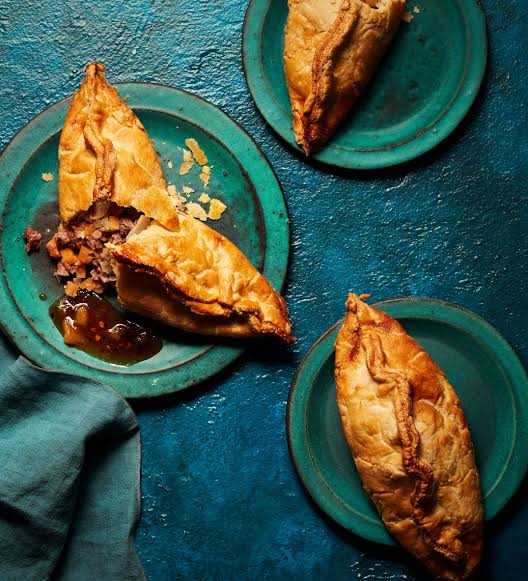
A proper Cornish pasty recipe is a lesson in simplicity: a sturdy shortcrust pastry case wrapped around raw beef, potato, swede and onion, baked until the filling steams in its own juices. It was designed as a complete hot meal that a miner could carry underground and still enjoy at lunchtime.
This guide covers the traditional filling, a pastry that holds its shape, the crimp and the baking times, so you can make pasties at home that taste like the ones from a Cornish bakery. For another hearty beef bake, see our steak pie recipe.
Contents
What makes a Cornish pasty authentic?
Since 2011 the name Cornish pasty has been protected, which means a pasty sold under that name must be made in Cornwall to a set recipe. The filling is chunky beef, potato, swede and onion with a simple seasoning of salt and pepper, and the pastry is shaped into a D with the crimp along the side.
Two details surprise people: there are no carrots, and nothing is cooked beforehand. Everything goes in raw, so the beef juices flavour the vegetables as the pasty bakes. You can read more about the history of the dish on Wikipedia.
At home you do not have to follow the protected recipe to the letter, but this Cornish pasty recipe sticks to the traditional method because it really is the best one.
Ingredients and method for a Cornish pasty recipe
This makes four large pasties. You will need a baking tray lined with baking paper and a plate about 20cm across to cut the pastry rounds.
Cornish Pasty
Ingredients
Method
- Rub the butter and lard into the flour and salt until the mixture resembles breadcrumbs. Add the water gradually and knead into a smooth dough. Wrap and rest for 30 minutes.
- Heat the oven to 220C (200C fan, gas mark 7) and line a baking tray with baking paper.
- Divide the dough into four and roll each piece into a 20cm round. Layer potato, swede, onion and beef down the centre, seasoning generously with salt and pepper, and dot with butter.
- Brush the edge with water, fold over to form a half-moon and crimp the edge by folding it over itself in small pleats. Cut a steam hole and brush with beaten egg.
- Bake for 20 minutes, then reduce the oven to 180C (160C fan, gas mark 4) and bake for 35 to 40 minutes until deep golden.
- Rest for 10 minutes before serving hot, or leave to cool completely for a packed lunch.
Chill the filled pasties for 15 minutes before baking if your kitchen is warm. Cold pastry holds the crimp better and bakes up flakier.
Choosing the beef and vegetables
The quality of any Cornish pasty recipe comes from a few humble ingredients, so it is worth choosing them well.
- Beef skirt: traditional and full of flavour. Chuck steak works well too. Cut it into small, even pieces, about 1cm.
- Swede: called turnip in Cornwall. It gives the pasty its slightly sweet, earthy note.
- Potato: a floury variety such as Maris Piper, thinly sliced so it cooks through.
- Onion: finely sliced, so it softens and sweetens in the steam.
Season each layer as you build it. A generous pinch of salt and plenty of black pepper makes all the difference, because the vegetables will absorb a lot of seasoning.
How to make the pastry for a Cornish pasty
A good Cornish pasty recipe needs a strong, pliable pastry that can be folded and crimped without cracking, and that will not collapse under a heavy filling. Rub cold fat into flour and salt, add cold water a little at a time and knead briefly until the dough is smooth.
Unlike a delicate tart pastry, pasty dough benefits from a short rest rather than a long chill, so you can roll it without it breaking.
- Use half butter and half lard for flavour and strength.
- Keep the water cold and add it gradually.
- Rest the dough for 30 minutes, wrapped, before rolling.
How to crimp a Cornish pasty
The crimp is the signature of every Cornish pasty recipe. It takes a little practice, but it is easier than it looks.
- Roll the pastry thinly and cut a 20cm round using a plate as a guide.
- Layer the potato, swede, onion and beef down the middle, seasoning as you go.
- Brush the edge of the pastry with water and fold the pastry over to form a half-moon.
- Press the edges together, then fold the edge over itself in small overlapping pleats, working from one corner to the other.
- Tuck the final pleat underneath, brush with beaten egg and cut a small steam hole.
Baking times and temperatures
The baking method in this Cornish pasty recipe is simple: start the pasties in a hot oven so the pastry sets and browns, then lower the temperature so the raw filling can cook through without burning the crust. Bake at 220C (200C fan, gas mark 7) for 20 minutes, then reduce to 180C (160C fan, gas mark 4) and bake for a further 35 to 40 minutes.
To check they are done, push a skewer through the steam hole. It should slide through the potato and beef with no resistance. Let the pasties rest for 10 minutes before eating, because the filling stays very hot.
Variations on the Cornish pasty recipe
Once you have mastered the classic Cornish pasty recipe, there are plenty of ways to change it.
- Cheese and onion: replace the beef with grated mature cheddar and extra onion.
- Lamb and mint: use diced lamb shoulder and a pinch of dried mint.
- Vegetarian: use mushrooms, sweet potato and a spoonful of English mustard.
- Mini pasties: cut smaller rounds and bake for 25 to 30 minutes, ideal for parties.
What to serve with a Cornish pasty
A pasty is a meal on its own, so you can eat it from the hand with a little tomato ketchup or brown sauce. For a sit-down supper, serve it with mushy peas, gravy and a crisp salad. A warm pasty also pairs well with a bowl of our tomato soup recipe on a cold day.
Storing and reheating
Cool the pasties from this Cornish pasty recipe completely and keep them in the fridge for up to three days. Reheat in a 180C oven for 15 minutes to crisp the pastry. You can also freeze baked pasties for up to two months, or freeze them unbaked and bake from frozen, adding 10 to 15 minutes to the cooking time.
Cornish pasty FAQs
Can I use ready-made pastry for a Cornish pasty?
Yes. Use a block of shortcrust and roll it a little thicker than usual so it can hold the raw filling. Homemade pastry gives the sturdiest result, but shop-bought works in a pinch.
Why is the filling raw?
Raw ingredients cook together in the sealed pastry, so the beef flavours the vegetables and the steam keeps everything moist. Pre-cooked fillings tend to turn dry.
Should I add carrots?
Traditionally no. A Cornish pasty uses beef, potato, swede and onion. Carrots are a common addition elsewhere, but they are not part of the classic recipe.
Why did my pasty leak?
The most common cause is an incomplete seal or no steam hole. Make sure the edges are well pressed and brushed with water, and cut a small vent in the top.
How do I get a golden crust?
Brush the pasties with a beaten egg, or egg and a splash of milk, just before baking and start the bake in a hot oven.
This Cornish pasty recipe is humble, hearty and endlessly satisfying. Master the crimp once and you will make them all winter.
Leave a Reply